 ⭐ Large-Scale Bioremediation Of 11 Urban Drains – Lucknow, Uttar Pradesh
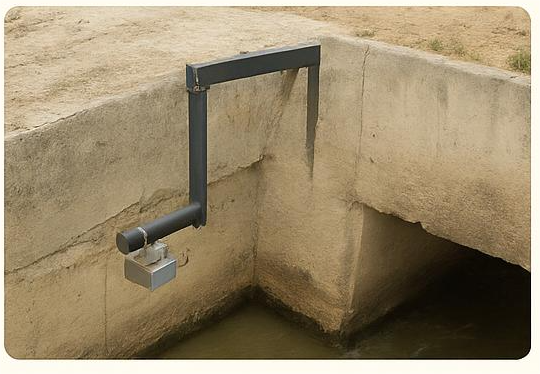
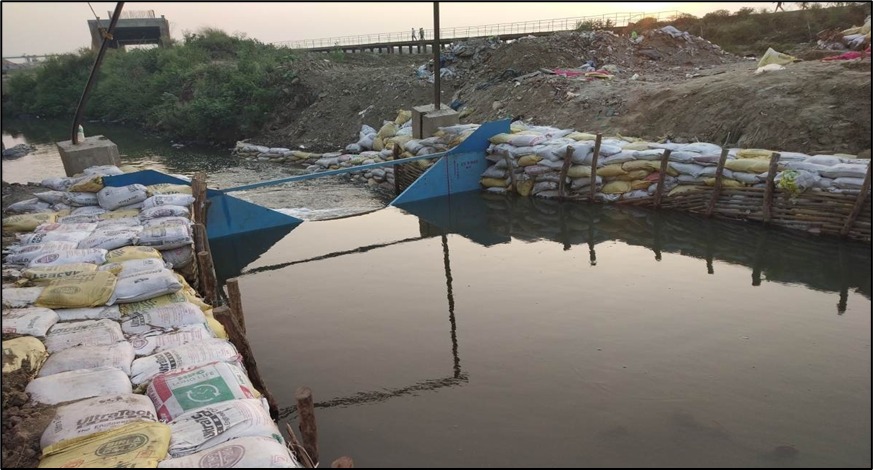
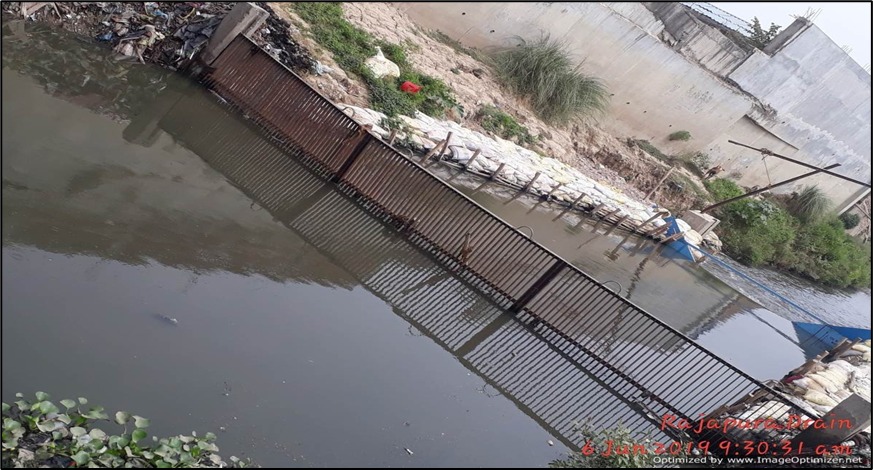
Lucknow, a rapidly expanding metropolitan city, faces significant pressure on its drainage network due to high population density, unplanned inflow points and ageing sewer infrastructure. Several drains across the city were carrying untreated sewage with extremely high organic loading, resulting in foul odours, visible deterioration and public-health concerns. The Nagar Nigam entrusted Niletech Infrabuild with the responsibility to design and deliver an eco-friendly, non-intrusive wastewater treatment solution across 11 major drains.
These conditions required an approach that could operate in-situ, without disrupting daily life or requiring costly installation.
The drains exhibited improved clarity, reduced smell and stabilised ecological conditions.
The successful completion earned Niletech official recognition from Nagar Nigam Lucknow. The project became a reference model for decentralised bioremediation using nature-based, cost-effective interventions.
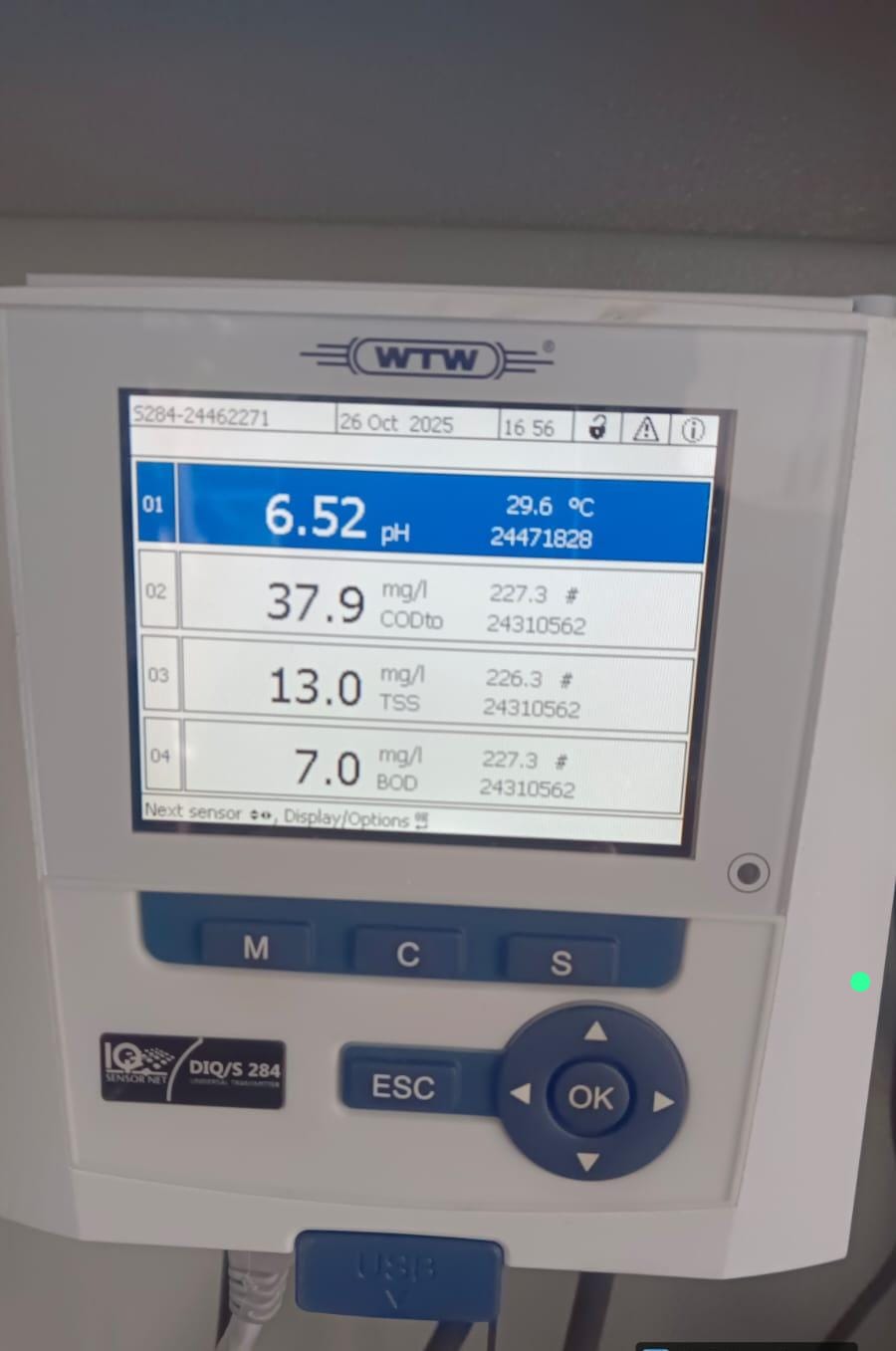
 ⭐ Ecological Revival of Sarusola Beel – Guwahati, Assam
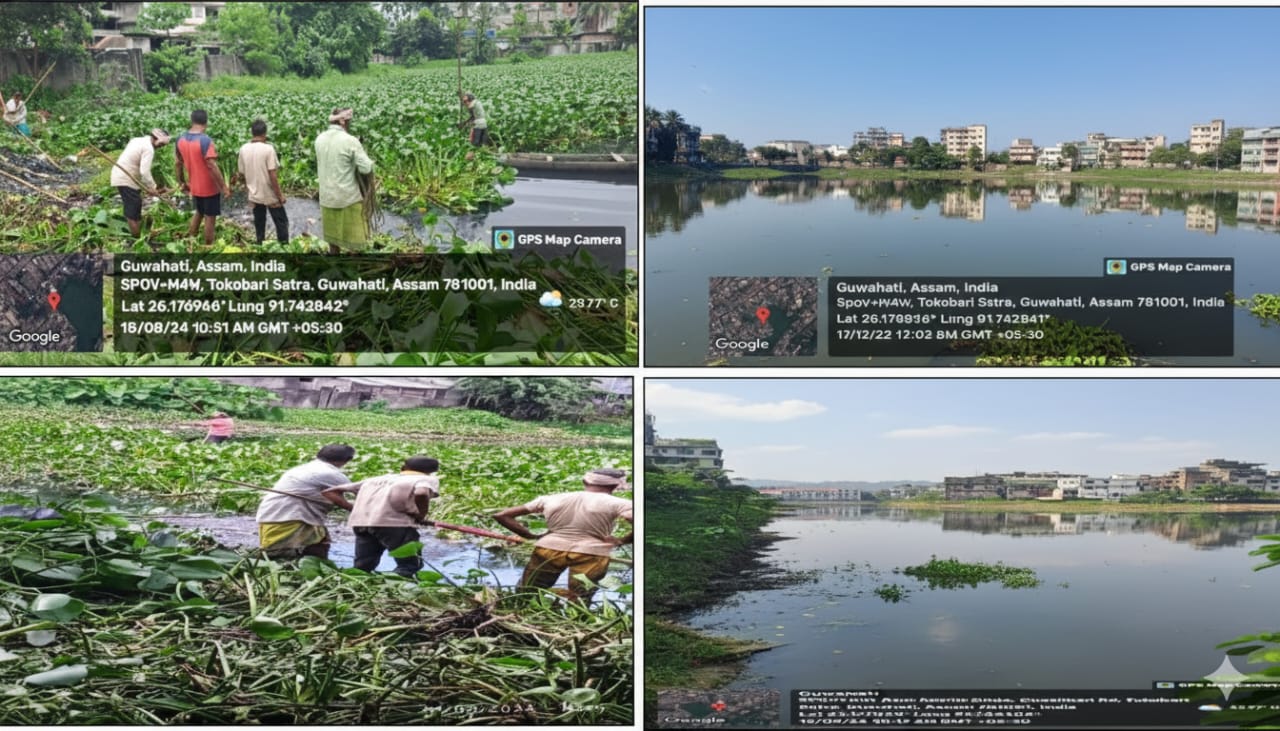
Sarusola Beel is a critical freshwater lake located in the heart of Guwahati. Over the years, unregulated sewage discharge, silt deposition and uncontrolled inflow of organic waste severely compromised the lake’s natural ecology. The waterbody developed high turbidity, algal dominance, foul odour and loss of aquatic biodiversity. The authorities sought a scientifically designed, environment-friendly method to restore the lake.
Key challenges included:
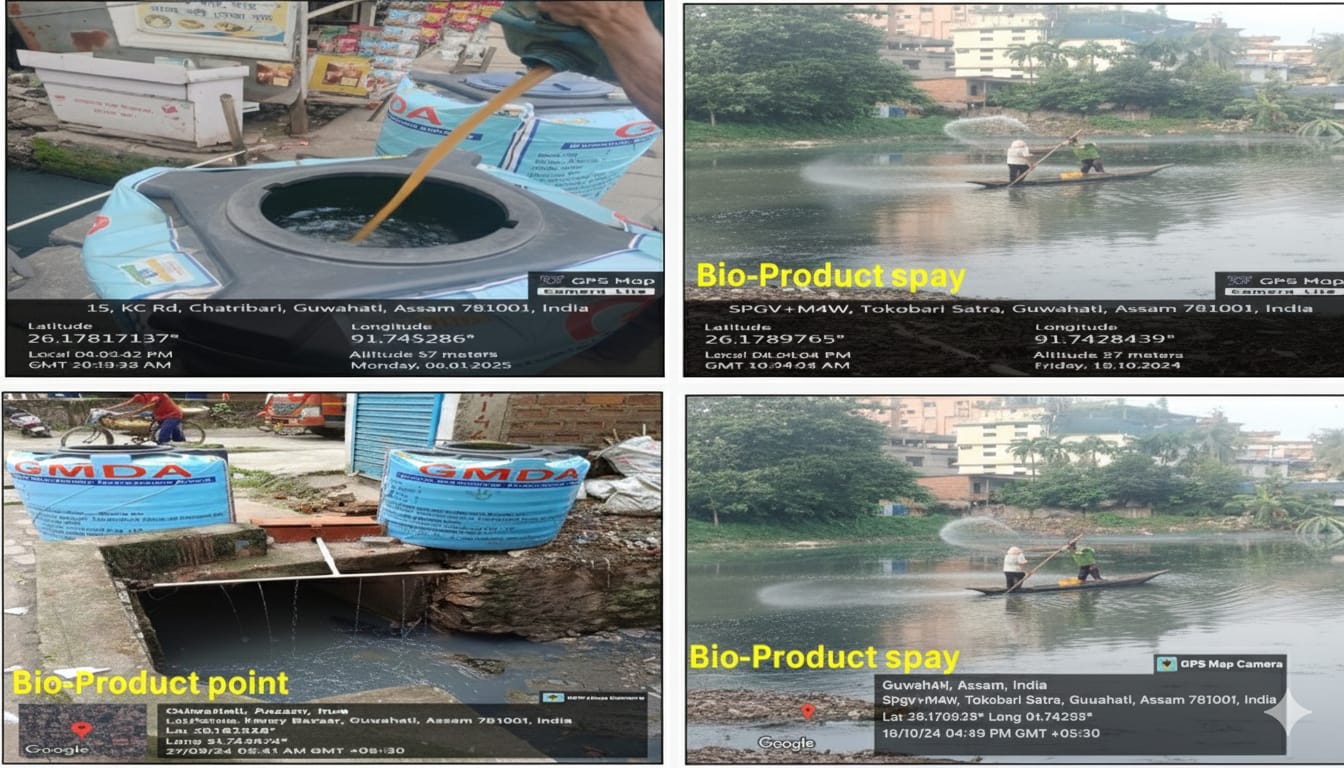
The solution required a low-energy, nature-integrated intervention capable of addressing both organic loading and ecological imbalance.
Independent analysis by the Pollution Control Board, Assam:
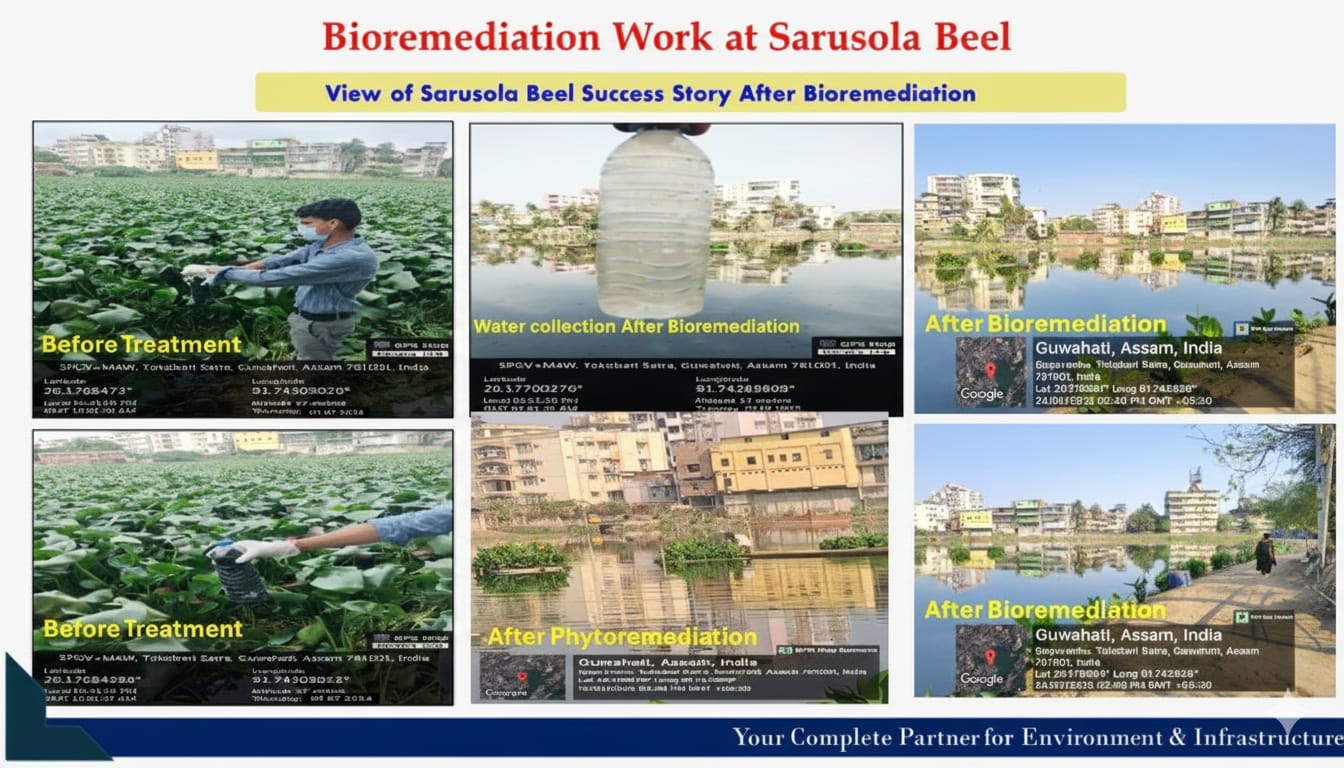
The lake showed major visible changes—clearer water, reduced algal patches, disappearance of foul odour, and gradual ecological revival.
The project demonstrated how nature-based technologies and microbial engineering can rejuvenate polluted lakes without heavy civil construction. Sarusola Beel now stands as a model for sustainable, scalable lake restoration across India.
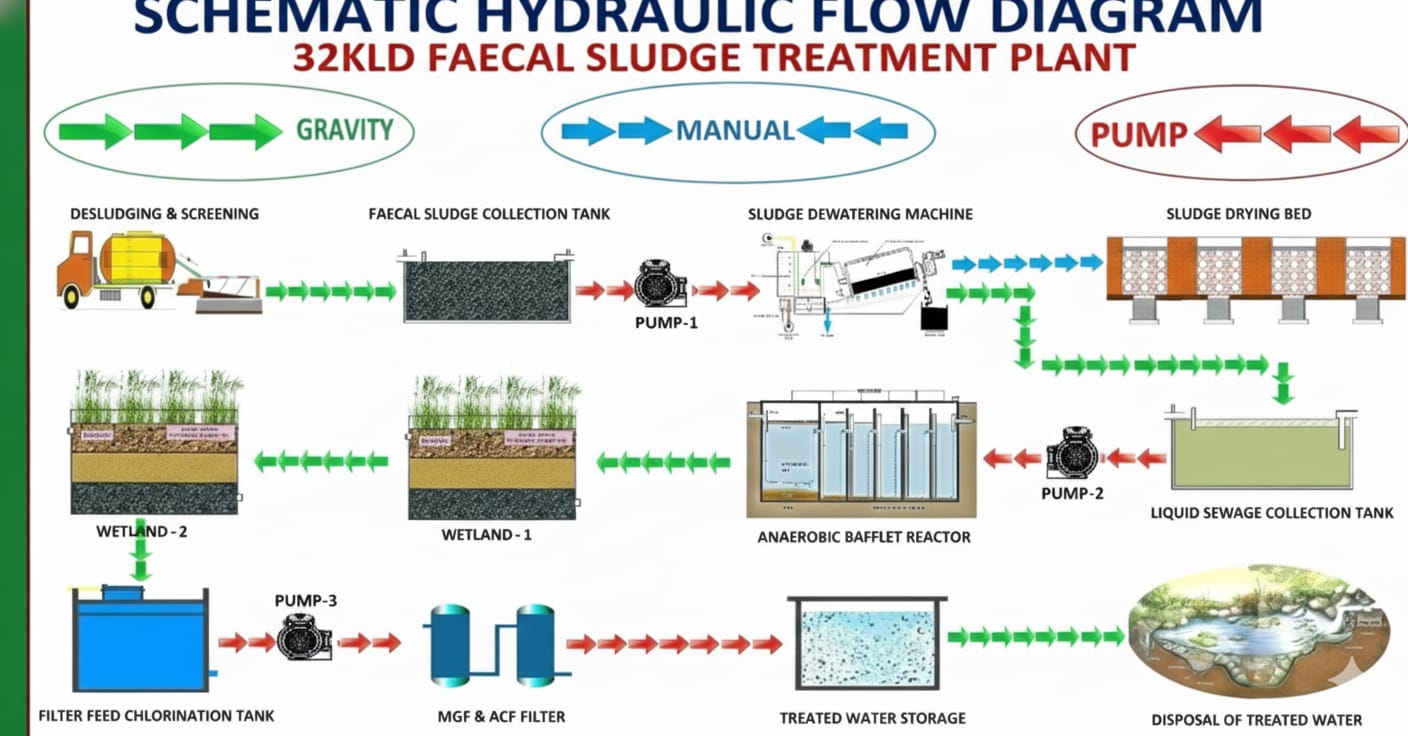
 ⭐ Commissioning of 32 KLD Faecal Sludge Treatment Plants – Baraut & Hapur
 Cities across India rely heavily on septic tanks due to limited sewer coverage...
The challenge involved designing and delivering a system that could:
Niletech developed a scientifically engineered FSTP system...
Both plants were successfully commissioned...
These two FSTPs represent a milestone achievement in decentralised sanitation infrastructure for Uttar Pradesh. The projects demonstrate how cities can transition towards circular sanitation systems, ensuring cleaner surroundings, improved public health and resource recovery.