loading
+91 8755469432
Follow Us:

Our Services

Services That We Offer For You

Icon

Hydro Treatment

Water & Wastewater Management

Designing of Treatment Systems on Various Technologies such as SBR, MBBR, MBR, DAF, UF, R.O. ETC.

Read More
Icon

Infra Works

Restoration & Maintenance of the Heritage Monuments.

Read More
Icon

Water Bodies Rejuvenation

Rejuvenation & reclamation of Lakes, Ponds & Rivers Through Bioremediation Process.

Read More
Icon

Solid Waste Management

Collection of Solid waste from door to door with Transpiration.

Read More
Icon

UNDERSTANDING WATER POLLUTION

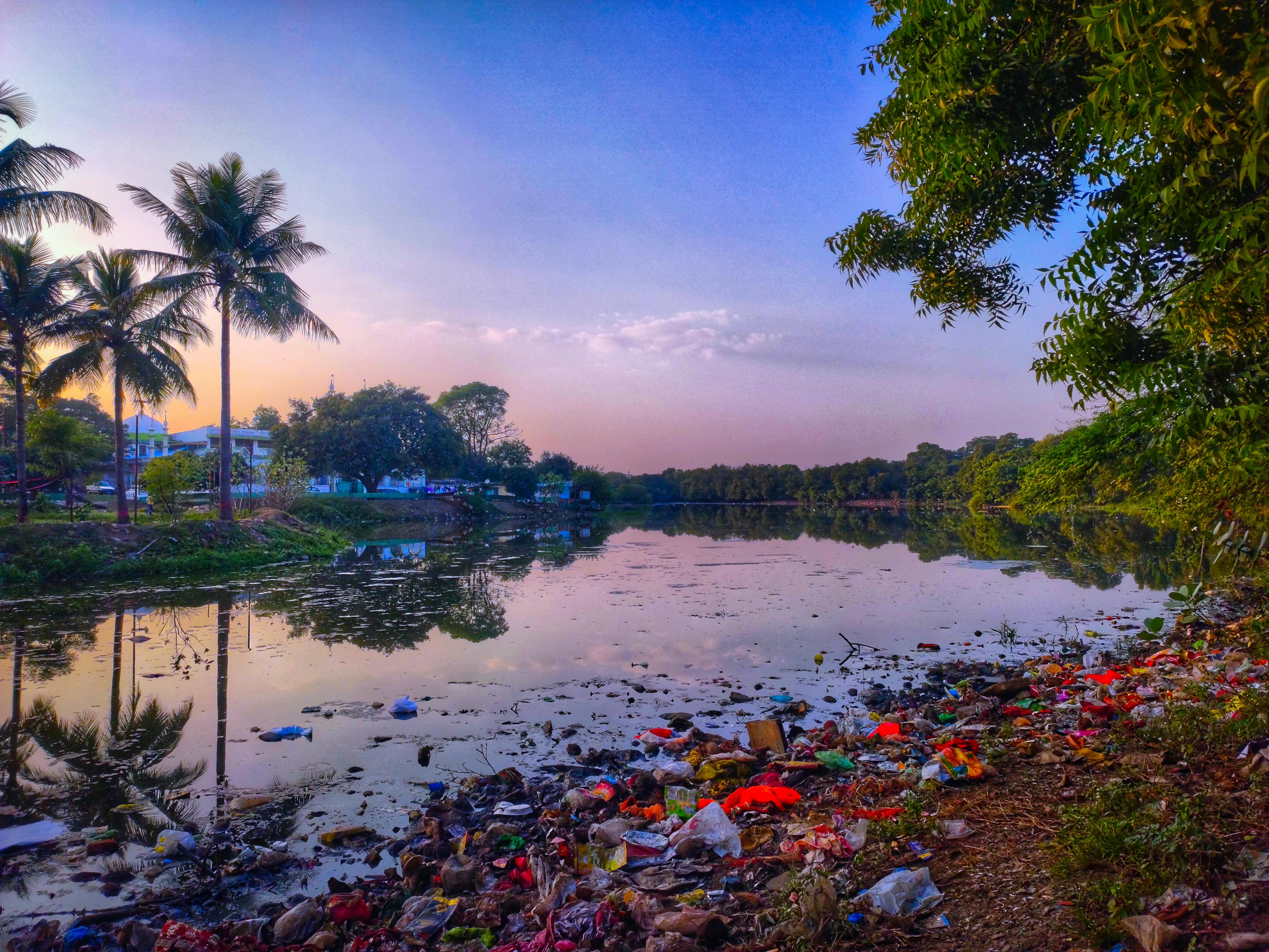
Sources and effects of Water Pollution in India

Read More
Icon

Environmental Management & Consultancy (EMC)

We plan sustainable solutions that use resources wisely and reduce environmental impact effectively.

Read More

SERVICES

Water & Wastewater Management
Designing of Treatment Systems on Various Technologies such as SBR, MBBR, MBR, DAF, UF, R.O. ETC.
Construction of RCC Water Retaining Structures & Fabrication of MS/SS/FRP Tanks at our facility or site.
Erection & Commissioning of the treatment facilities by our in-house team.
Infra Works
Restoration & Maintenance of the Heritage Monuments.
Design & construction of faecal sludge treatment plant (FSTP).
Operation & Maintenance of water & wastewater treatment facilities.
Water Bodies Rejuvenation
Rejuvenation & reclamation of Lakes, Ponds & Rivers Through Bioremediation Process.
Elimination & Odour Control at the water bodies through Bioremediation process.
Beautification of Lakes, Pond & River Banks.
Solid Waste Management
Collection of Solid waste from door to door with Transpiration.
Segregation & disposal of non-biodegradable waste & degradation of biodegradable waste at site.
UNDERSTANDING WATER POLLUTION

Sources and effects of Water Pollution in India

Your Complete Partner for Environment & Infrastructure

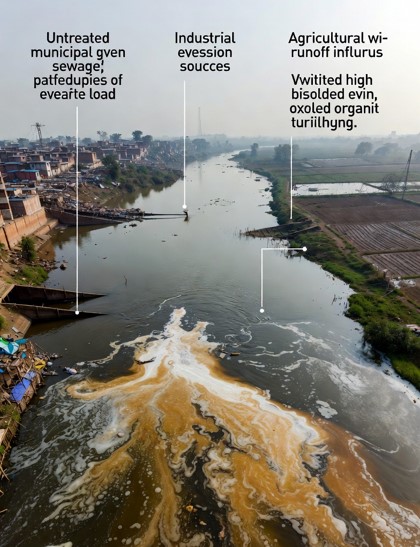
The major sources of water pollution are:

Service Image

Major Problems Associated with Water Bodies

ORGANIC MATTER
BLACK COLOR & ODOUR
FLOATABLES
SCARCITY OF DO
EXCESSIVE NUTRIENTS

ORGANIC MATTER: Carbohydrates, Protein, H₂S emission

BLACK COLOR & ODOUR: Oil & Grease

FLOATABLES:Hindrance to surface oxidation

SCARCITY OF DO: Fatal to Aquatic Life

EXCESSIVE NUTRIENTS: Nitrogen & Phosphorus, Eutrophication (Algae growth)


Side Image

Niletech Infrabuild Treatment Technology

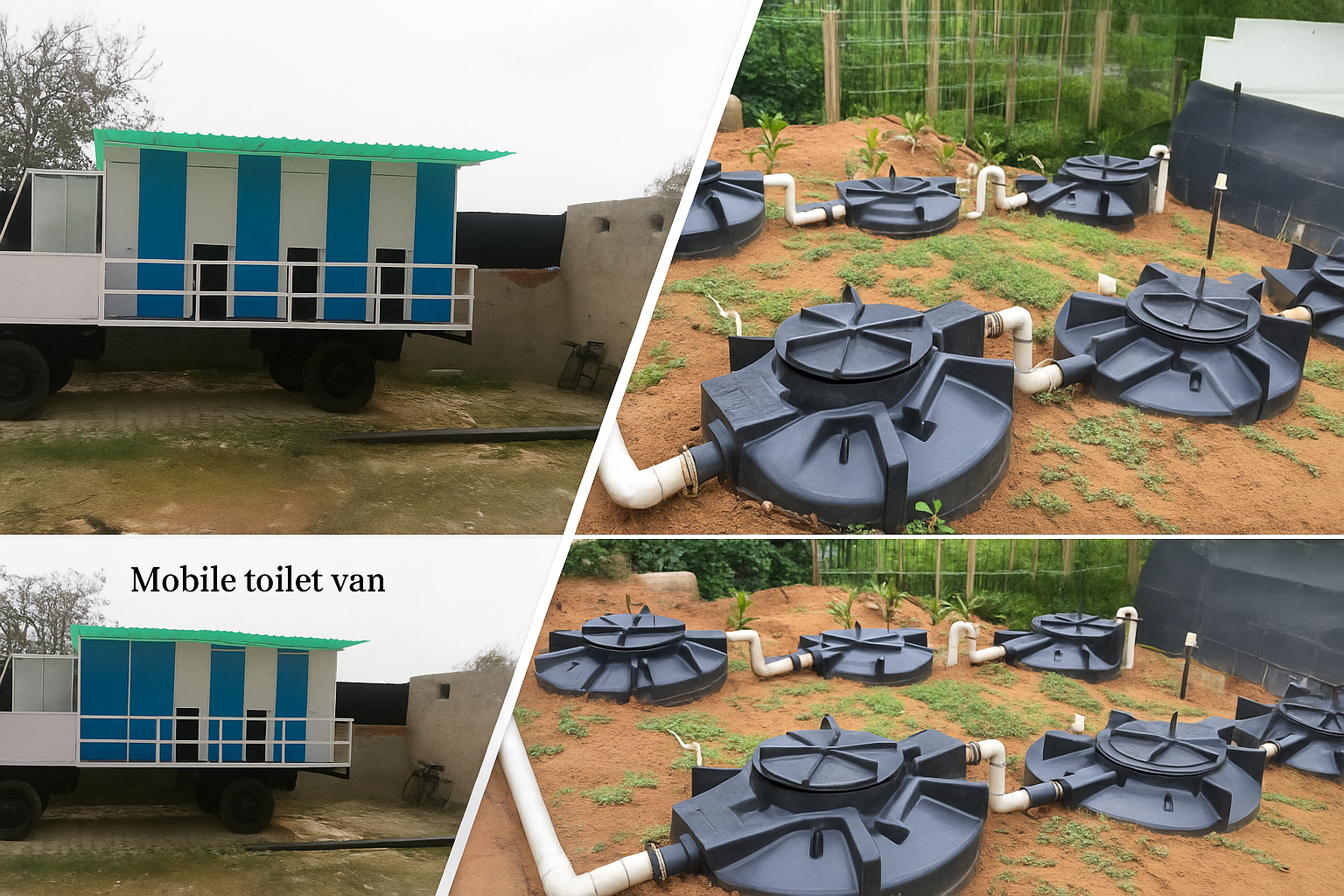
In-Situ Treatment of Sludge of Septic Tanks of Community / Mobile Toilets
1. Site Survey: Mapping of toilet seats present.
2. Capacity Measurement: Total capacity & sludge load analysis.
3. Dosing System: Niletreat is simple and easy.
4. Treatment: Pre-activation & biological dosing.
5. Monitoring: Dip-stick monitoring.

What do we offer in brownfield wastewater management?

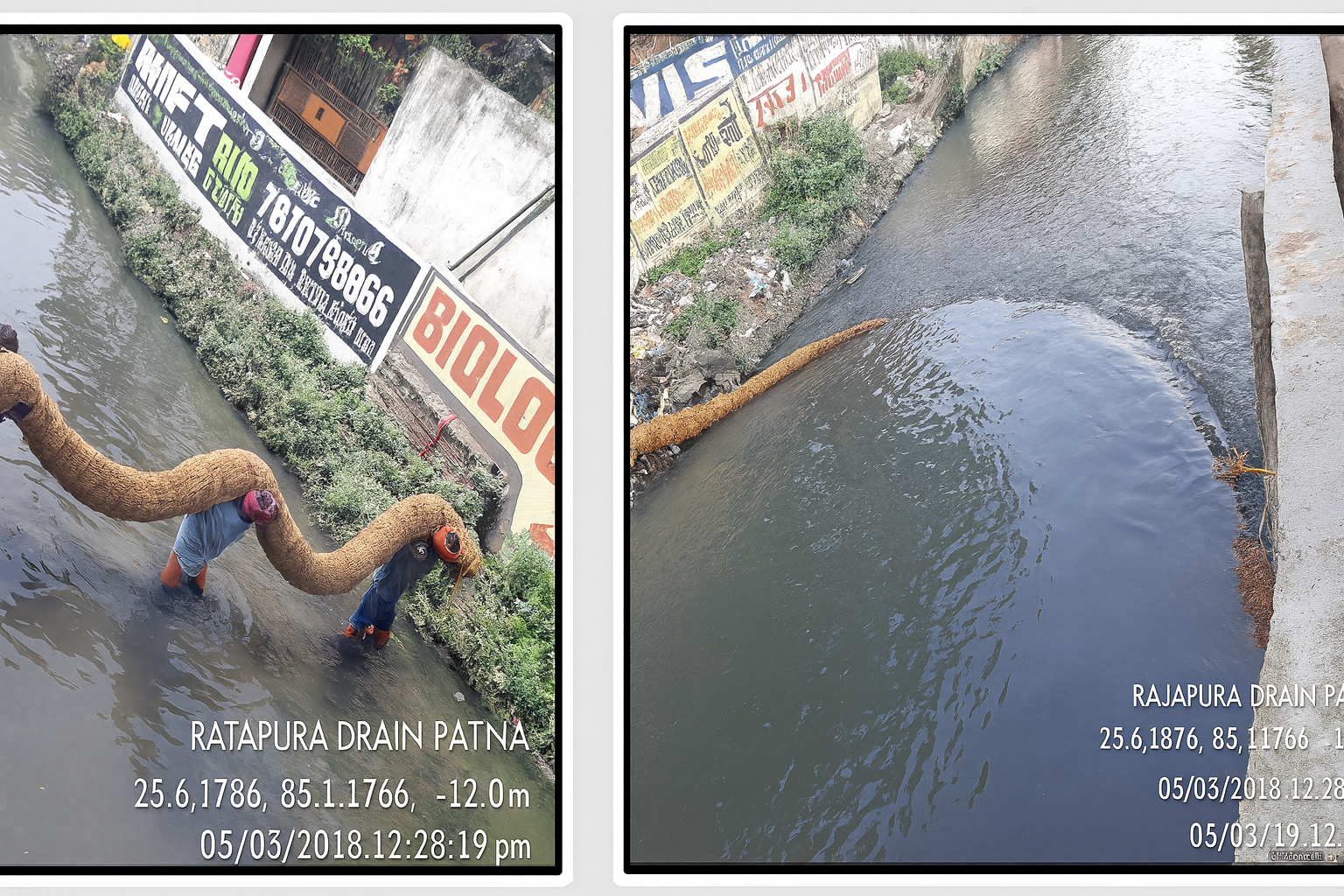
Coir Logs

Installation of Coir Logs:


• Coconut coir logs are completely biodegradable logs available in the market and are specially redesigned with Coco peat inside the core.

Purposes served by Coir Logs:


• Serves as a medium for bacteria to reside, grow, and treat pollutants.
• Serves as a filtering medium to a certain extent.
• Reduces the velocity of water flow by obstructing the flow.

In-situ Bioremediation treatment of drains
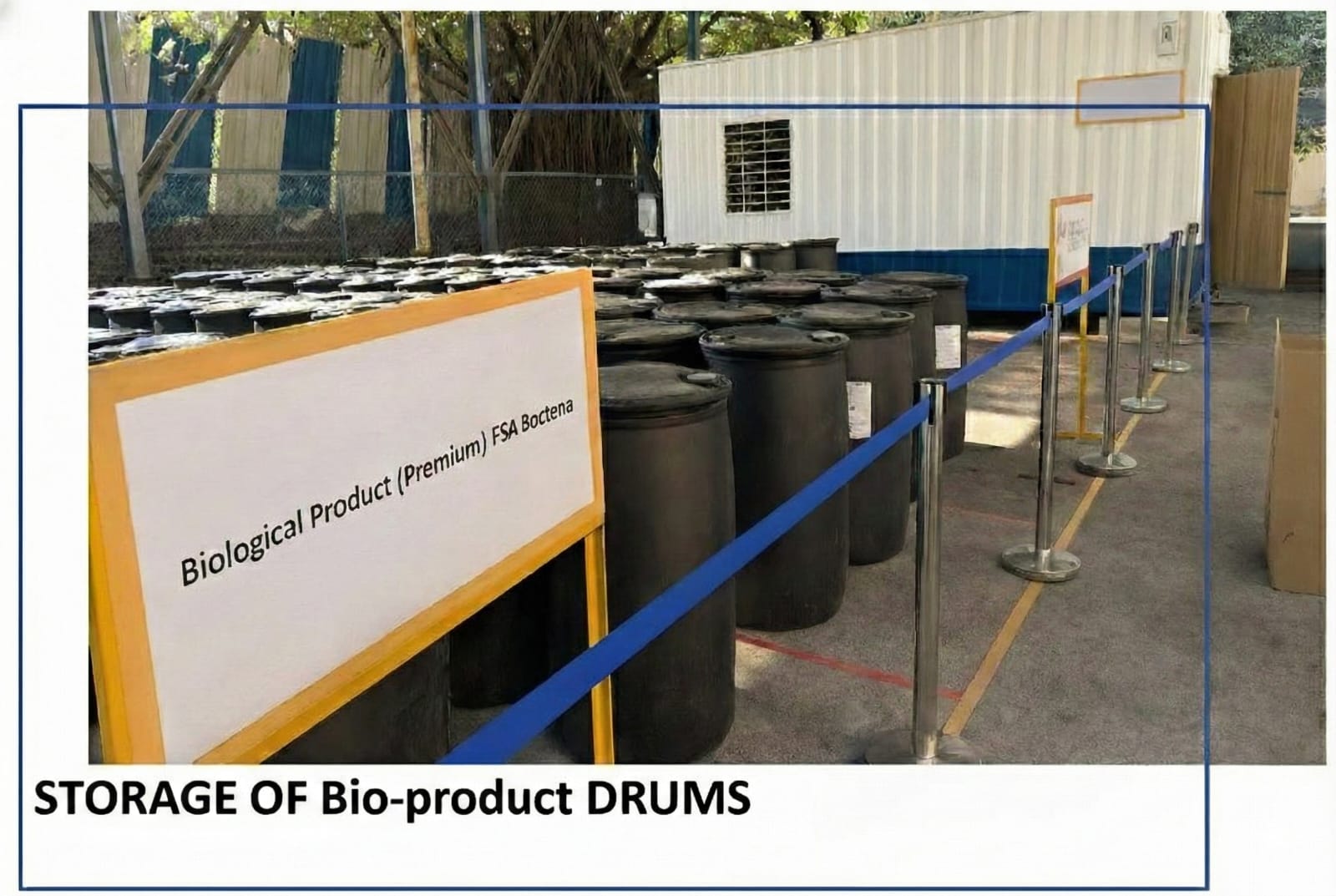
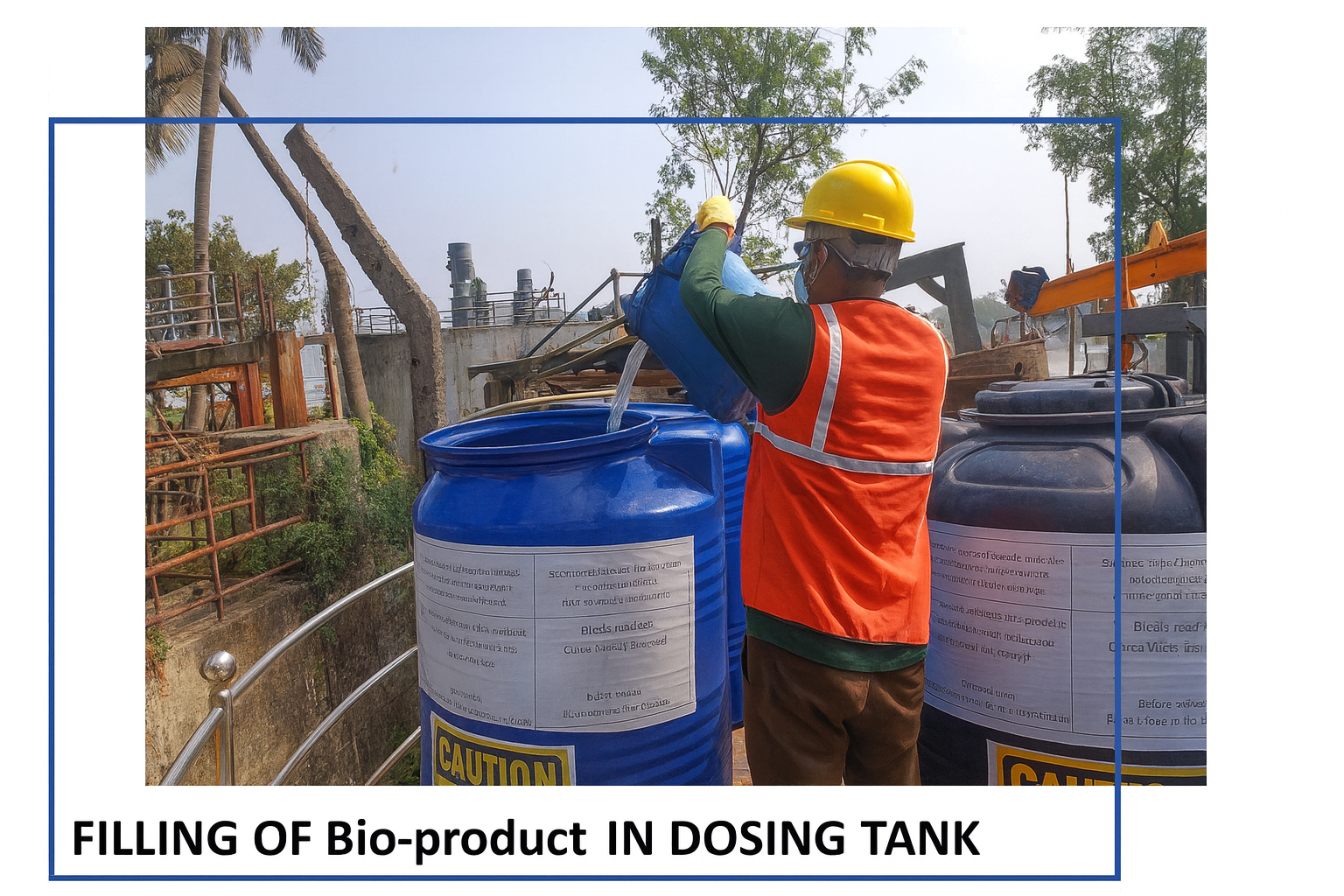
Treatment Equipment's

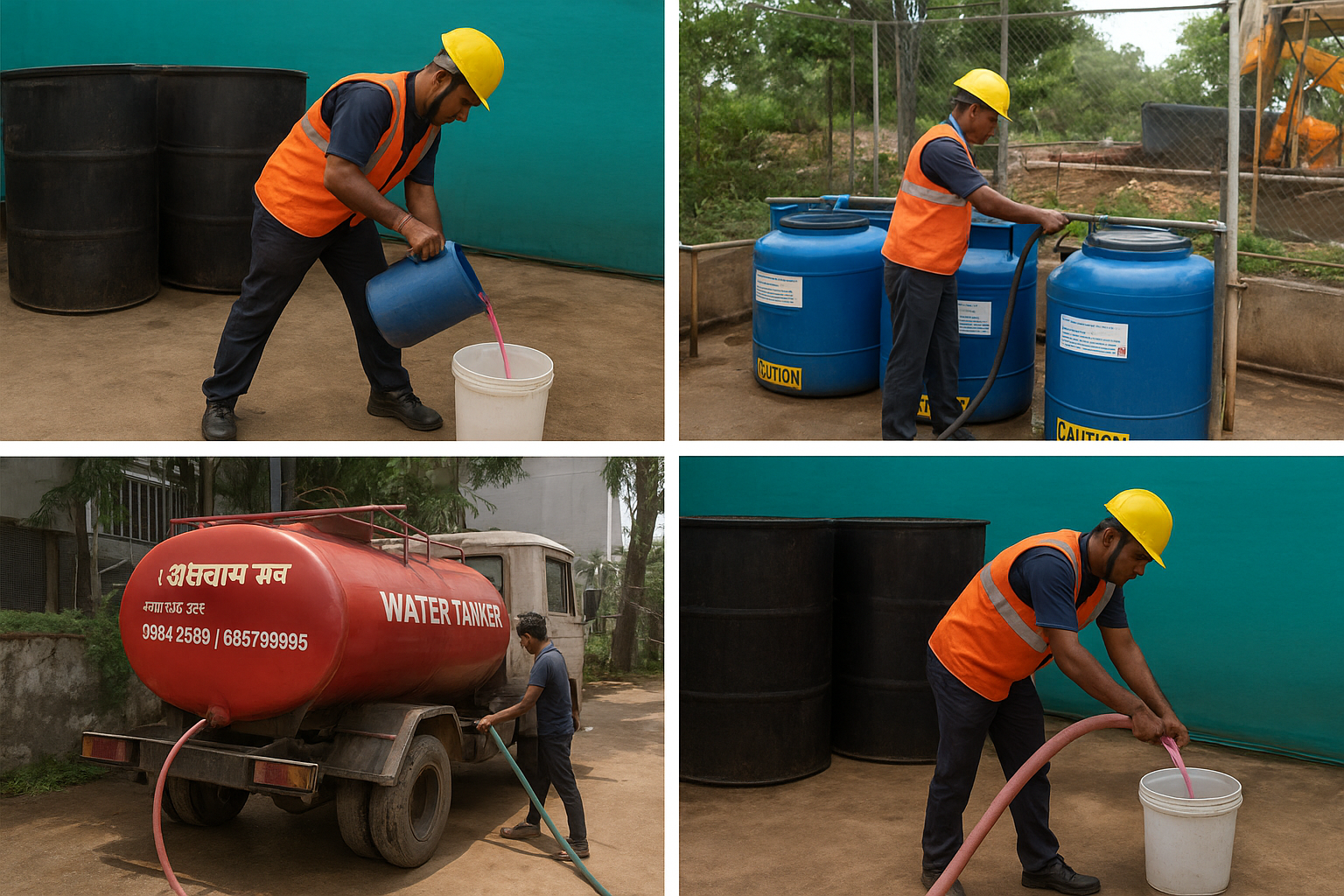
Storage Of Bio-Product Drums

Transfer Of Bio-Product Concentrate In Bucket By Gravity

Filling Of Bio-Product In Dosing Tank

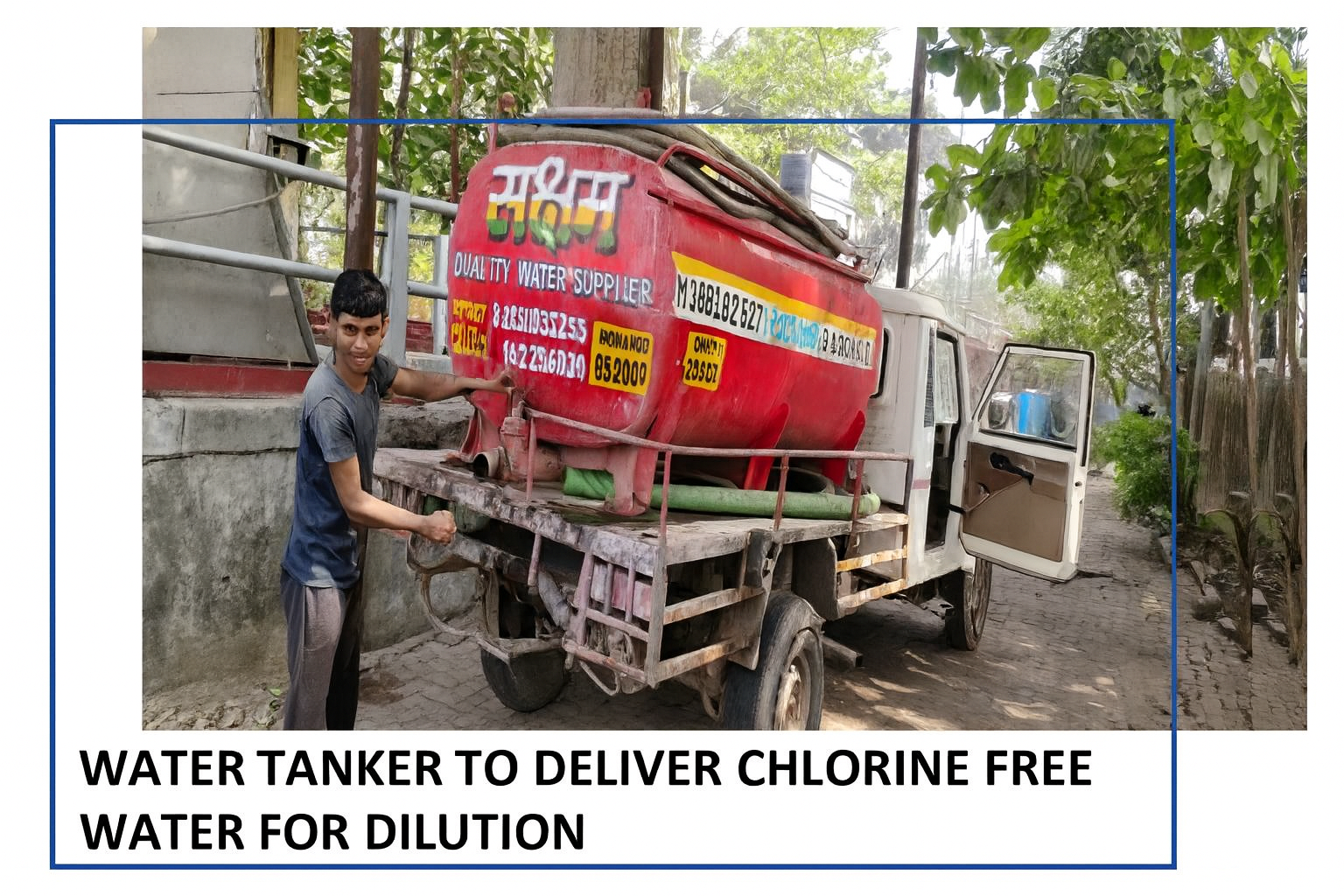
Water Tanker To Deliver Chlorine Free Water For Dilution

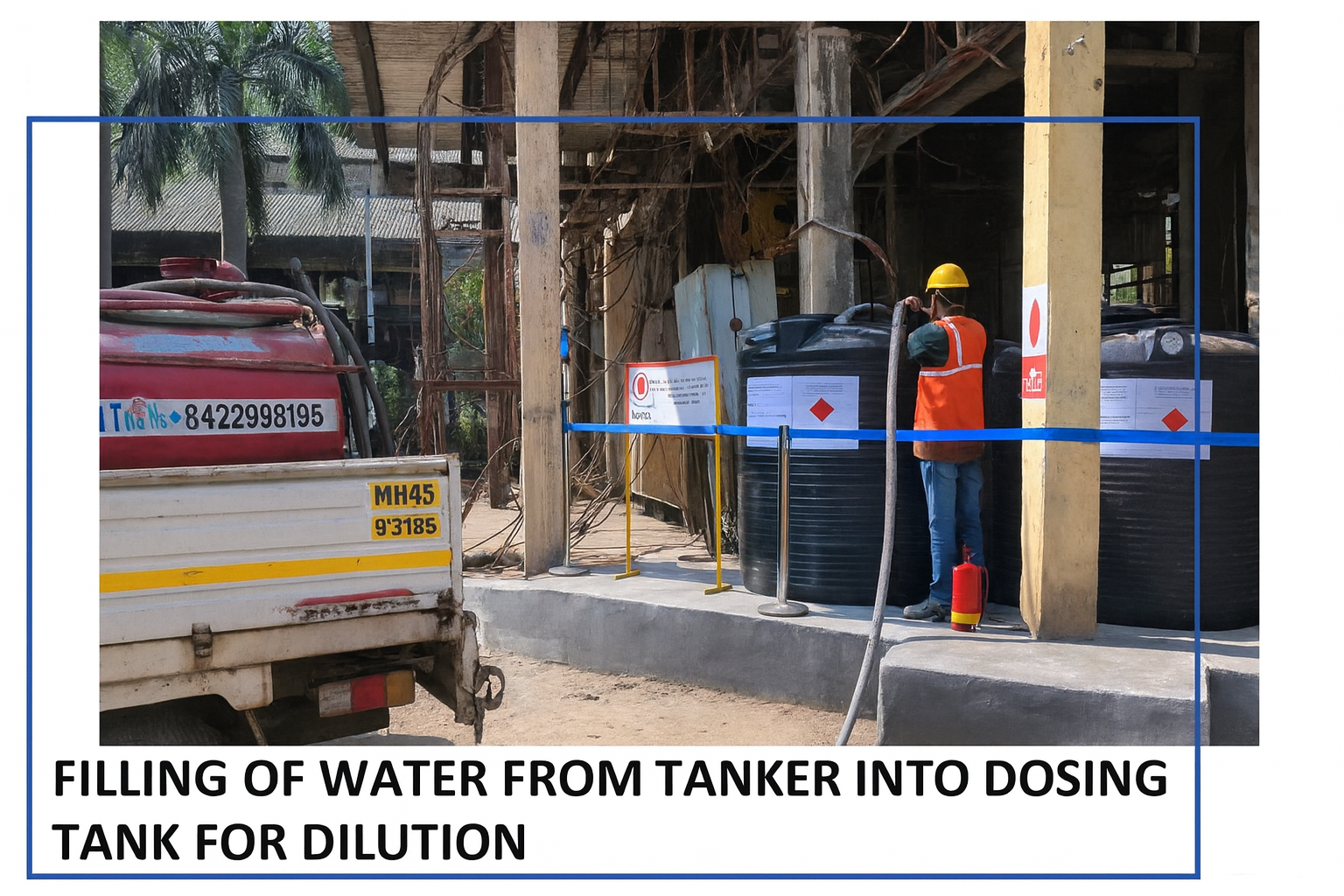
Filling Of Water From Tanker Into Dosing Tank For Dilution

Committed to responsible water storage and transfer

Water & Wastewater Management

Effective water and wastewater management constitutes a foundational pillar of sustainable urbanisation, industrial expansion, and environmental protection in India. Rapid population growth, accelerated industrial activity, and climate-induced variability have collectively intensified freshwater scarcity and increased the volume and complexity of sewage and industrial effluent generation.

Niletech delivers comprehensive hydro-treatment planning and design services aligned with Indian operational realities, regulatory requirements, and long-term sustainability objectives. Niletech’s hydro-treatment philosophy is grounded in a system-level understanding of water and wastewater flows, pollutant characteristics, and resource recovery potential, ensuring sustained compliance with CPCB and State Pollution Control Board norms while maintaining operational stability and economic viability.
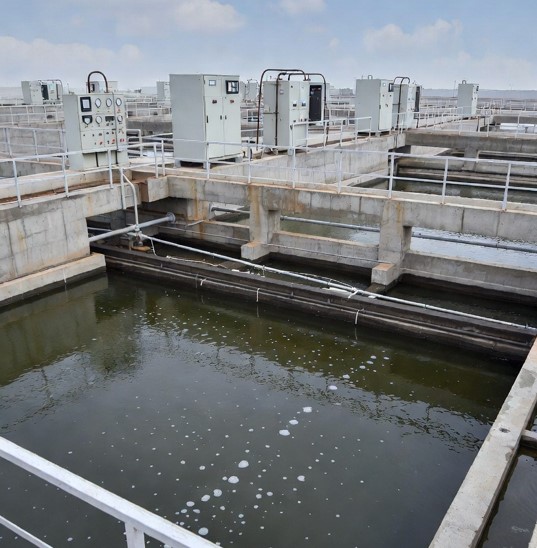
Water Treatment Plant

Advanced Treatment Technologies: Scientific Basis and Application

Sequencing Batch Reactor (SBR) technology is employed where flexibility and compactness are essential. SBR operates on time-sequenced phases of fill, react, settle, and decant, allowing precise control over aerobic and anoxic conditions under fluctuating hydraulic loads.

Moving Bed Biofilm Reactor (MBBR) systems enhance biological treatment efficiency through attached-growth mechanisms. Biofilm development on carrier media provides resilience, reduced sludge bulking, and stable performance under shock loading conditions.

Membrane Bioreactor (MBR) technology integrates biological treatment with membrane separation, achieving superior effluent quality, compact design, and suitability for land-constrained urban reuse applications.

Physico-Chemical and Advanced Polishing Processes

Dissolved Air Flotation (DAF) systems form an essential pre-treatment stage for wastewater streams containing oils, grease, and finely dispersed solids. Microbubble generation promotes efficient flotation where conventional sedimentation proves inadequate.

Ultra-Filtration (UF) and Reverse Osmosis (R.O.) systems provide advanced polishing by rejecting colloids, dissolved solids, and microbial contaminants, supporting water recycling and zero-liquid-discharge strategies.

Integrated Design, Automation, and Sustainability Outcomes

Each hydro-treatment system designed by Niletech is preceded by a comprehensive technical evaluation encompassing influent quality assessment, flow variability analysis, energy demand estimation, sludge generation dynamics, and scalability considerations.

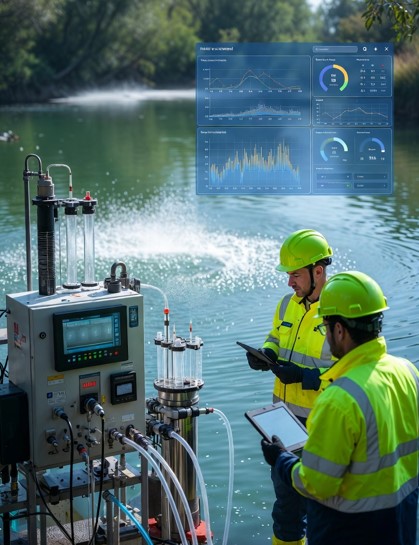
Automation, instrumentation, and digital monitoring systems enable real-time process control, performance optimisation, and regulatory reporting. By synthesising engineering theory and advanced treatment technologies, Niletech transforms water and wastewater management into a strategic resource management function supporting sustainable urban and industrial development across India.

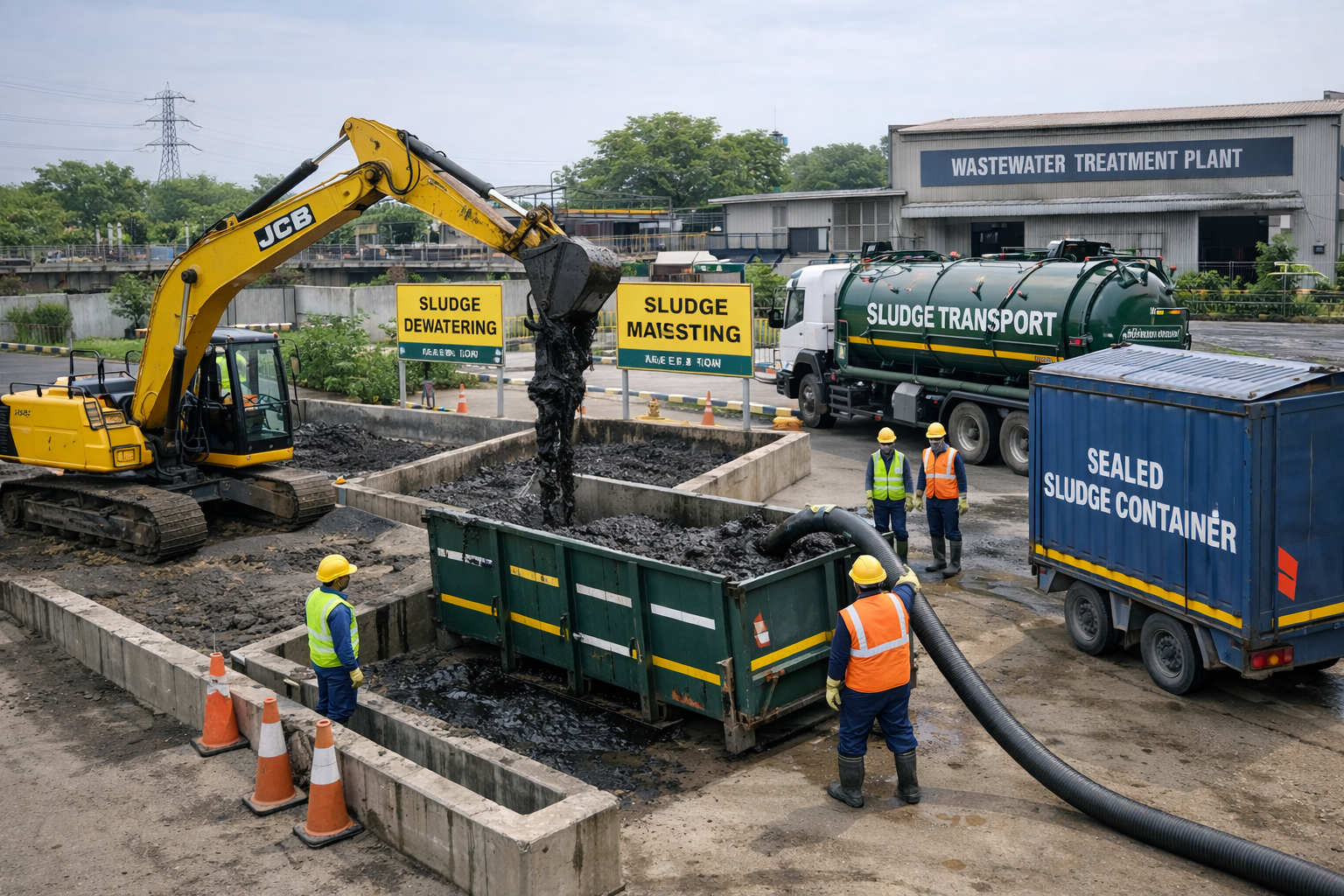
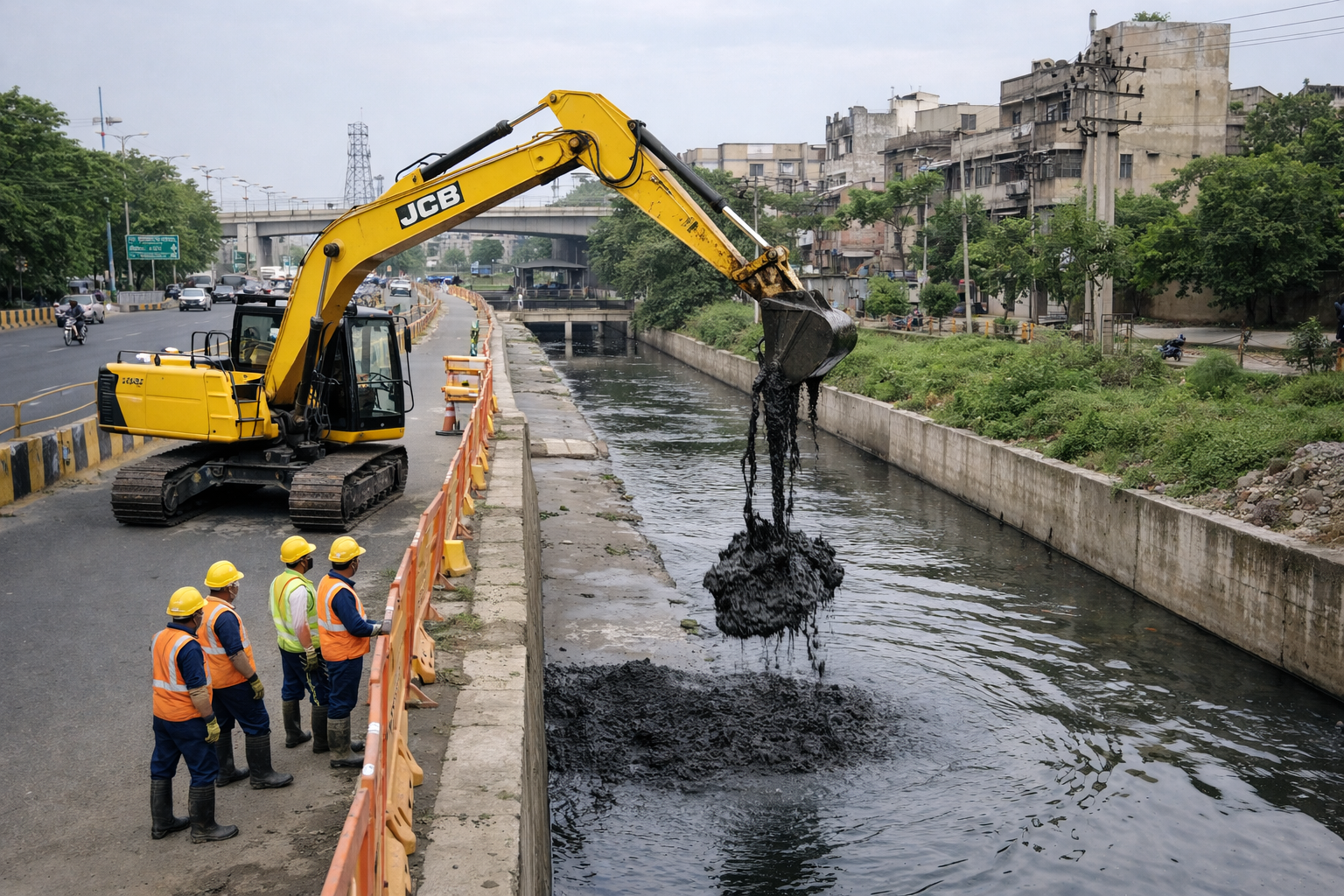
Desilting and Sludge Management of Drains

Desilting and sludge management form a critical component of effective drain restoration and pollution control, particularly in urban wastewater conveyance systems. Accumulated silt, organic sludge, and debris significantly reduce hydraulic capacity, create anaerobic conditions, and act as persistent sources of odour and secondary pollution.

Our approach focuses on systematic removal of settled sludge and silt deposits from drains, channels, and transfer sections using mechanised and controlled methods. The process restores hydraulic efficiency, improves flow conveyance, and reduces organic load retention within the drain bed. Removed sludge is handled in a contained manner to prevent recontamination of adjoining areas and downstream water bodies.

Post-desilting, the collected sludge is managed through scientifically appropriate treatment and disposal pathways, aligned with regulatory requirements. Depending on sludge characteristics, treatment options include stabilisation, dewatering, and safe transport to authorised processing or disposal facilities. This integrated desilting and sludge management strategy not only enhances drain performance but also supports downstream bioremediation and odour control measures, contributing to sustained improvement in environmental and public health conditions.

Drain Desilting
Sludge Management

Infra Works

Restoration & Maintenance of Heritage Monuments

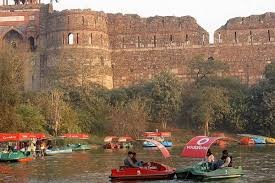
India’s heritage monuments embody centuries of architectural excellence, cultural continuity, and historical significance. However, sustained exposure to environmental stressors, urbanisation, pollution, and uncontrolled human activity has accelerated material deterioration and structural ageing. Therefore, systematic restoration and long-term maintenance have become essential to preserve these irreplaceable assets for future generations.

Our infrastructure works in heritage conservation adopt a conservation-led approach that aligns with the principles of the Archaeological Survey of India (ASI), UNESCO charters, and national conservation guidelines. Interventions are designed to retain historical authenticity while ensuring structural stability, material compatibility, and visual integrity. Accordingly, all restoration activities prioritise minimal intervention, reversibility, and the use of compatible traditional materials.

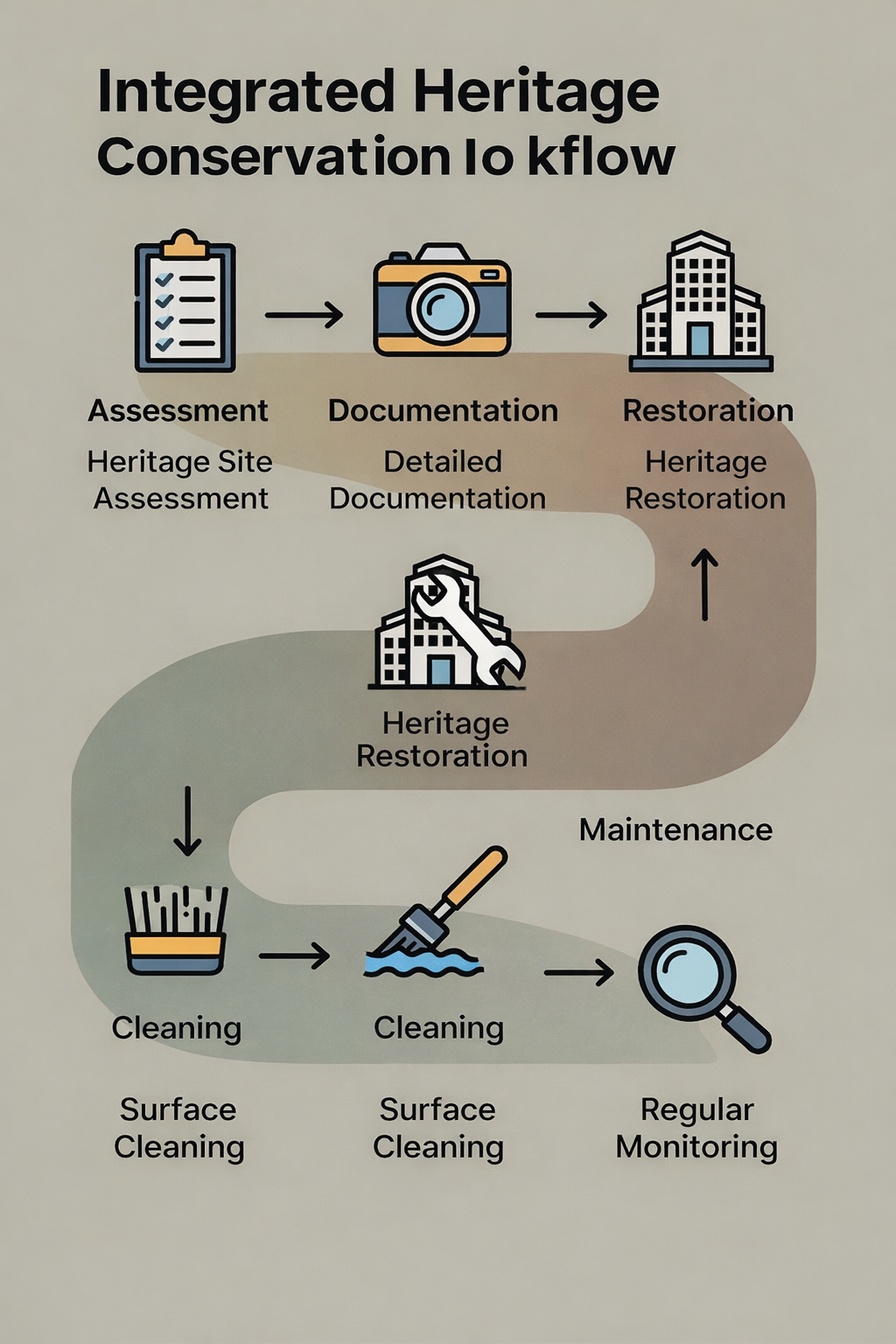
At the execution stage, condition assessment is conducted through detailed visual surveys, archival documentation, and material characterisation. Masonry consolidation, lime-based plaster restoration, stone repair, crack stitching, and surface cleaning are undertaken using historically appropriate techniques. Consequently, the monument’s original fabric, craftsmanship, and aesthetic value are preserved without introducing intrusive modern alterations.

Restoration and Maintenance of Heritage Monuments

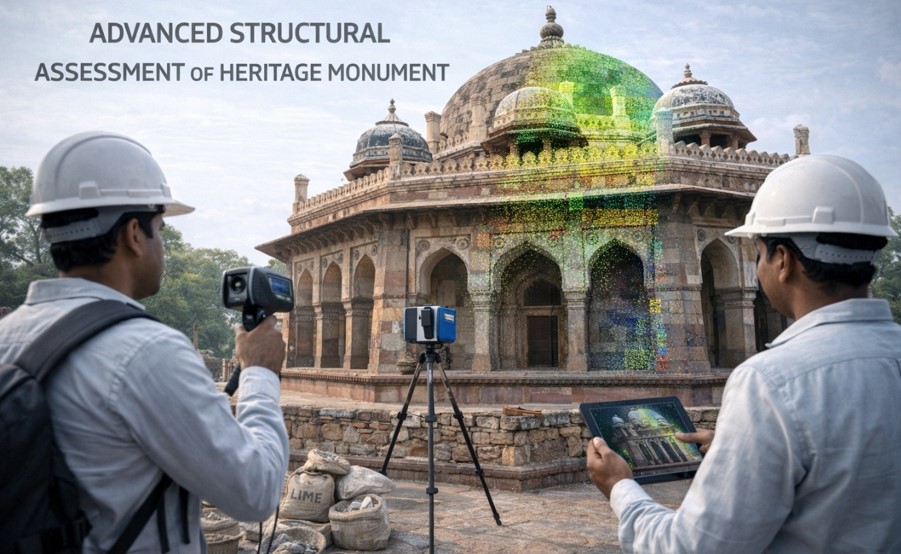
Advanced Technologies in Heritage Restoration
In recent years, emerging technologies have significantly enhanced precision, safety, and documentation in monument restoration projects across India. Therefore, our methodology integrates advanced tools alongside traditional conservation practices.

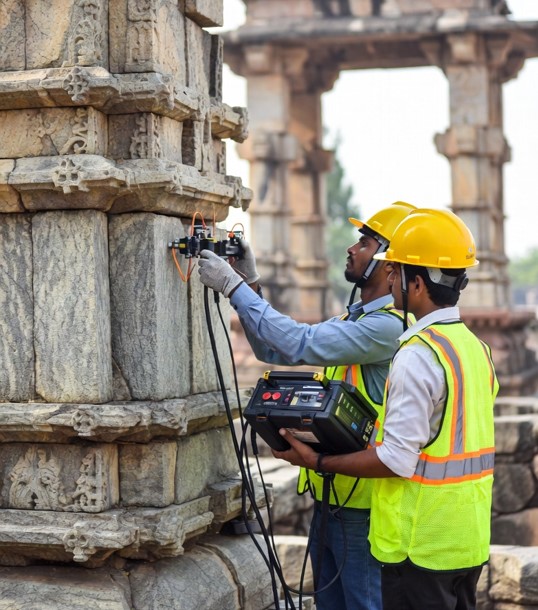
Advanced Technologies in Heritage Restoration

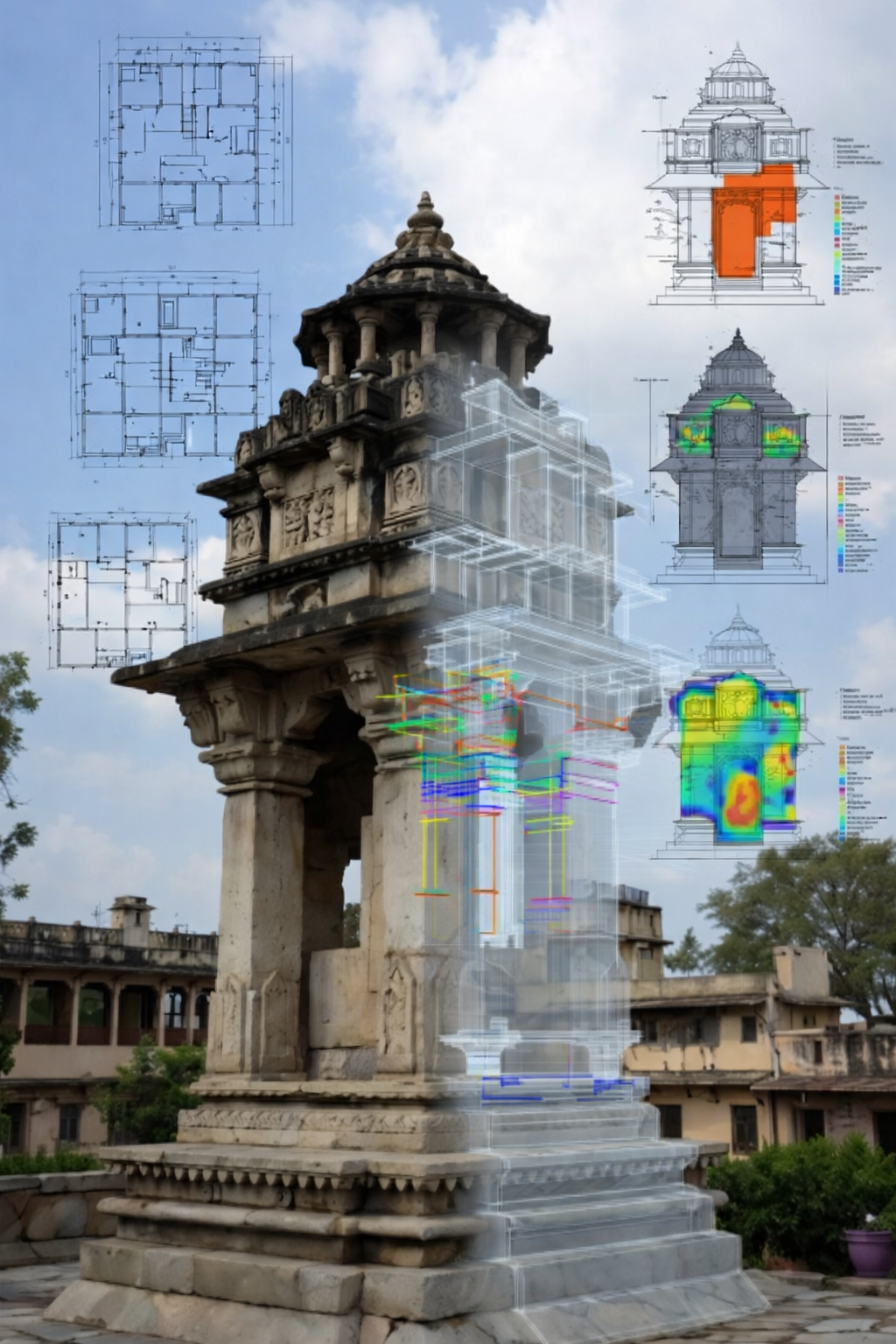
Firstly, laser scanning and photogrammetry are employed to generate high-resolution three-dimensional digital models of monuments. These models facilitate accurate damage mapping, deformation analysis, and intervention planning, thereby reducing on-site uncertainties.

Secondly, non-destructive testing (NDT) techniques, including ground-penetrating radar, ultrasonic pulse velocity, and infrared thermography, are utilised to assess internal defects, moisture ingress, and hidden structural weaknesses without disturbing the original fabric.

Furthermore, eco-friendly surface cleaning technologies, such as micro-abrasion, low-pressure water misting, and laser-based cleaning, enable the controlled removal of biological growth, soot, and pollution crusts while preserving stone patina and surface detailing.

Smart Monitoring Systems
Additionally, smart monitoring systems, incorporating wireless sensors and environmental data loggers, support long-term structural health monitoring. These systems track parameters such as vibration, temperature, humidity, and micro-crack development, thereby enabling preventive maintenance rather than reactive repair.

Sustainable Preservation and Long-Term Value
Through the integration of traditional craftsmanship, scientific conservation principles, and modern diagnostic technologies, our heritage restoration framework ensures durability, cultural continuity, and regulatory compliance. Consequently, restored monuments remain structurally sound, environmentally resilient, and culturally authentic, reinforcing India’s commitment to safeguarding its architectural legacy while accommodating responsible tourism and urban development.

Sustainable Heritage Preservation
Long Term Value of Heritage Monuments

Water Bodies Rejuvenation

Rejuvenation & Reclamation of Lakes, Ponds, and Rivers through Bioremediation

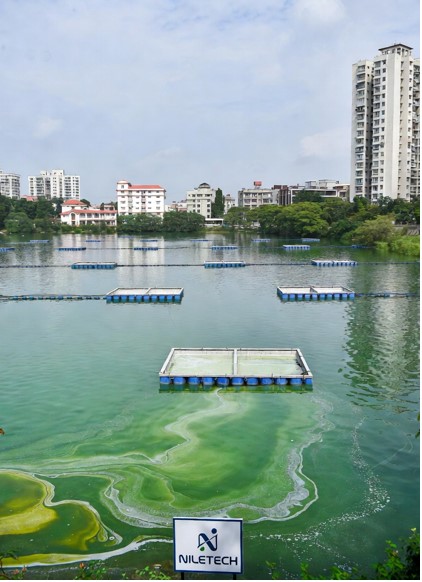
Rapid urbanisation, unregulated wastewater discharge, and declining natural self-purification capacity have severely degraded lakes, ponds, and river stretches across India. Consequently, eutrophication, organic overloading, pathogen proliferation, and dissolved oxygen depletion have become recurring challenges, particularly in urban and peri-urban water bodies. Addressing these issues requires decentralised, ecologically compatible, and scalable interventions rather than capital-intensive conventional infrastructure.

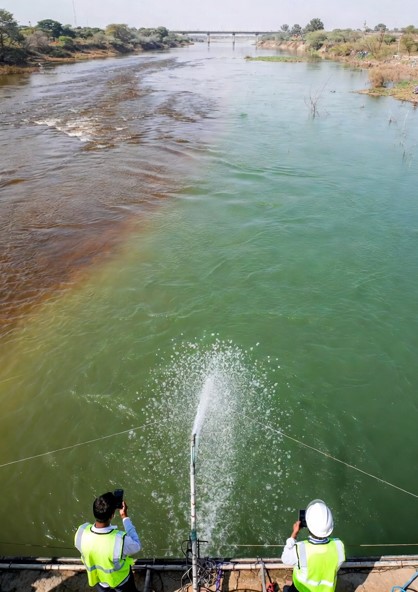
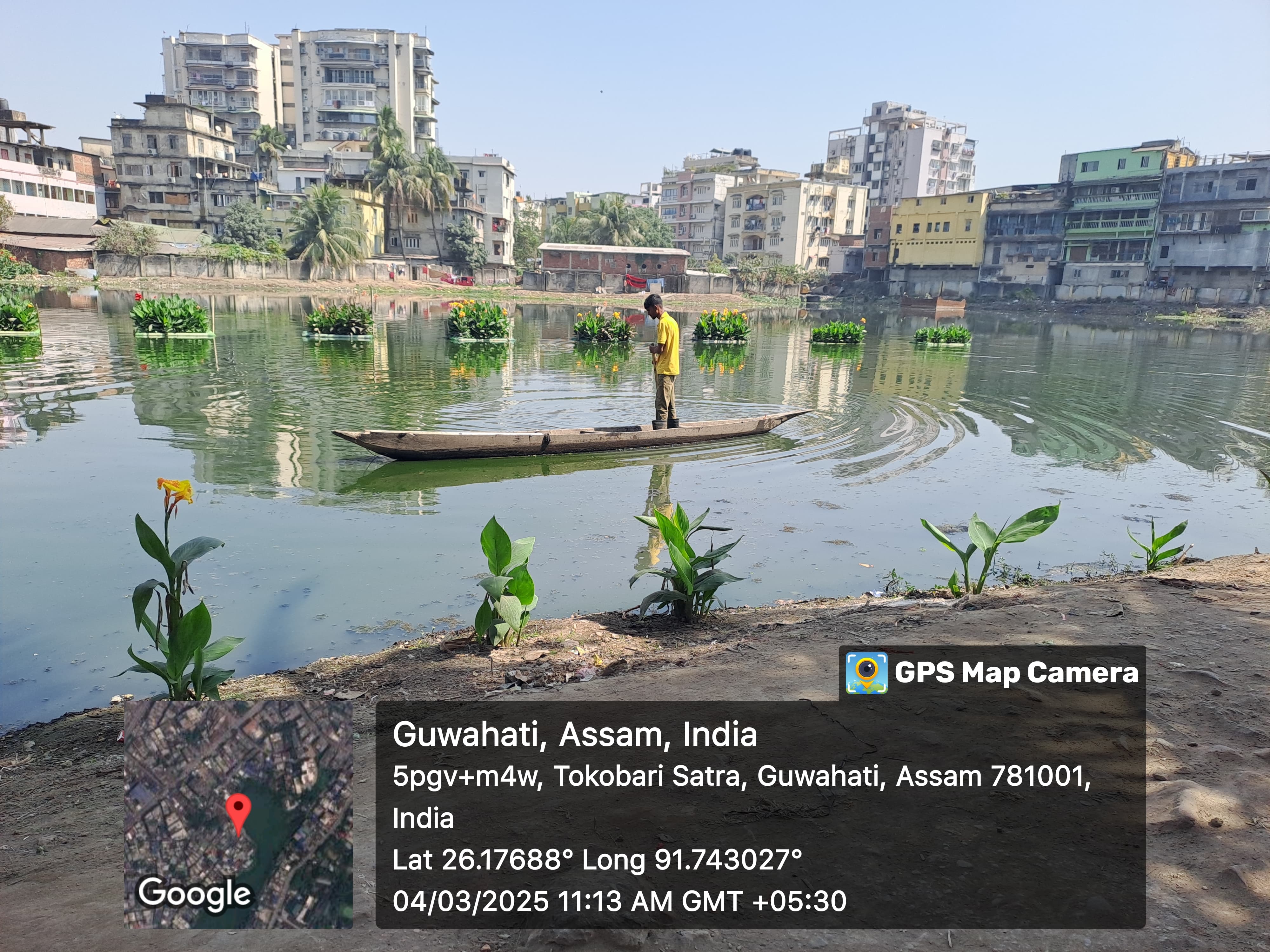
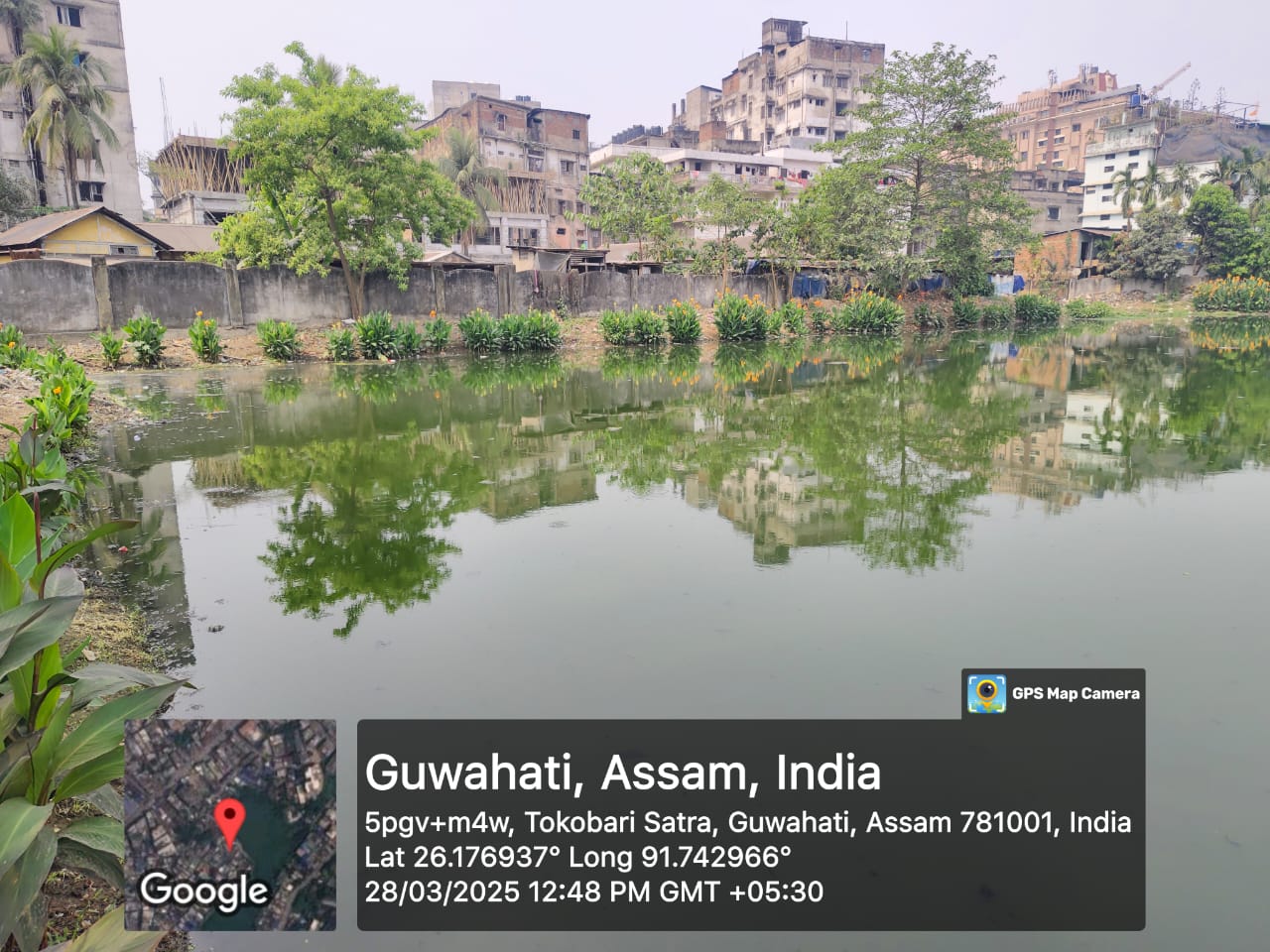
Niletech brings proven expertise in the rejuvenation and reclamation of surface water bodies through scientifically designed bioremediation-based processes. Our approach focuses on restoring the natural assimilative capacity of water bodies while ensuring compliance with national water quality standards and long-term ecological resilience.

At the core of our methodology lies the application of customised microbial consortia, developed and deployed based on site-specific water quality characteristics. These bio-formulations accelerate the biodegradation of dissolved and colloidal organic matter, reduce biochemical oxygen demand, suppress odour generation, and improve dissolved oxygen regimes. As a result, ecological balance is progressively restored without disturbing existing aquatic systems or requiring large-scale civil construction.

Water Bodies Rejuvenation through Bioremediation
Bioremediation

Bioremediation-Based Rejuvenation Framework

The rejuvenation process begins with a comprehensive diagnostic assessment encompassing water quality profiling, hydraulic conditions, sediment characteristics, and pollution source identification. Based on this assessment, a phased in-situ bioremediation strategy is implemented.

Indigenous and adaptive microbial cultures are introduced in controlled dosages to enhance enzymatic degradation pathways and promote aerobic and facultative biological processes. Simultaneously, nutrient cycling is stabilised, algal blooms are mitigated, and pathogen levels are gradually reduced. Therefore, improvements in clarity, odour, and dissolved oxygen become observable within short operational timelines.

Importantly, Niletech’s bioremediation systems operate continuously under flowing and stagnant conditions, making them suitable for lakes, ponds, canals, urban drains, and river stretches. The process remains non-invasive, energy-efficient, and compatible with existing ecological settings.

Advanced Technologies Supporting Large-Scale Rejuvenation

In addition to bioremediation, Niletech integrates emerging technologies to enhance treatment efficiency, monitoring precision, and scalability for large water bodies.

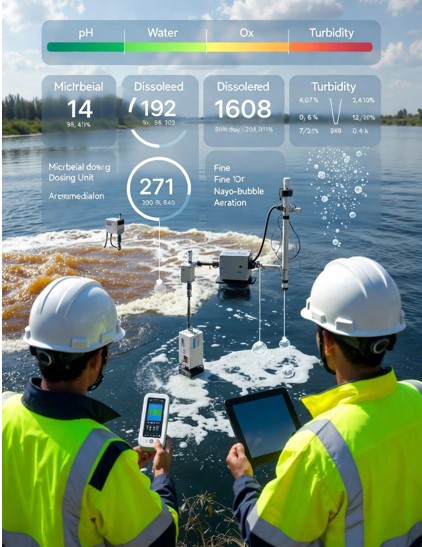
Firstly, nano-bubble and fine-bubble aeration systems are deployed to improve oxygen transfer efficiency and sustain aerobic microbial activity even under high organic loading. These systems significantly enhance dissolved oxygen levels while consuming minimal energy.

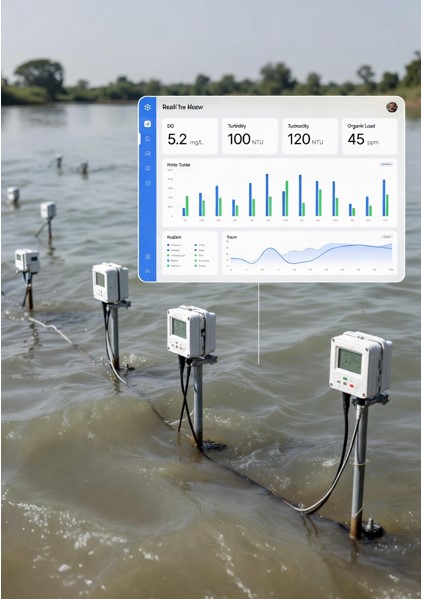
Secondly, smart water quality monitoring platforms equipped with real-time sensors continuously track key parameters such as dissolved oxygen, biochemical oxygen demand surrogates, turbidity, and nutrient indicators. Data-driven feedback enables adaptive dosing and operational optimisation.

Furthermore, GIS-based water body mapping and drone-assisted surveillance support accurate delineation of pollution hotspots, hydraulic pathways, and sediment accumulation zones. Consequently, intervention strategies remain targeted, phased, and outcome-oriented.

For sediment-impacted water bodies, bio-enzymatic sediment stabilisation and controlled sludge mineralisation are adopted to reduce organic sediment thickness and prevent secondary pollution without mechanical dredging.

Advanced Technologies

Sustainable Outcomes and Institutional Credibility

Niletech has successfully implemented bioremediation-based water rejuvenation projects across urban drains, lakes, and river-linked water bodies, delivering measurable improvements in BOD reduction, dissolved oxygen recovery, odour control, and visual water quality. Our solutions align with CPCB, NGT, and State Pollution Control Board frameworks while supporting decentralised and cost-effective environmental restoration.

Through the integration of biological science, digital monitoring, and field-proven operational expertise, Niletech enables urban local bodies, development authorities, and river conservation agencies to transition from short-term remediation to sustained ecological rejuvenation. Accordingly, restored lakes, ponds, and river stretches regain their functional, ecological, and socio-environmental value for communities and future generations.

Solid Waste Management

Integrated Solid Waste Transfer, Processing, and Disposal Management

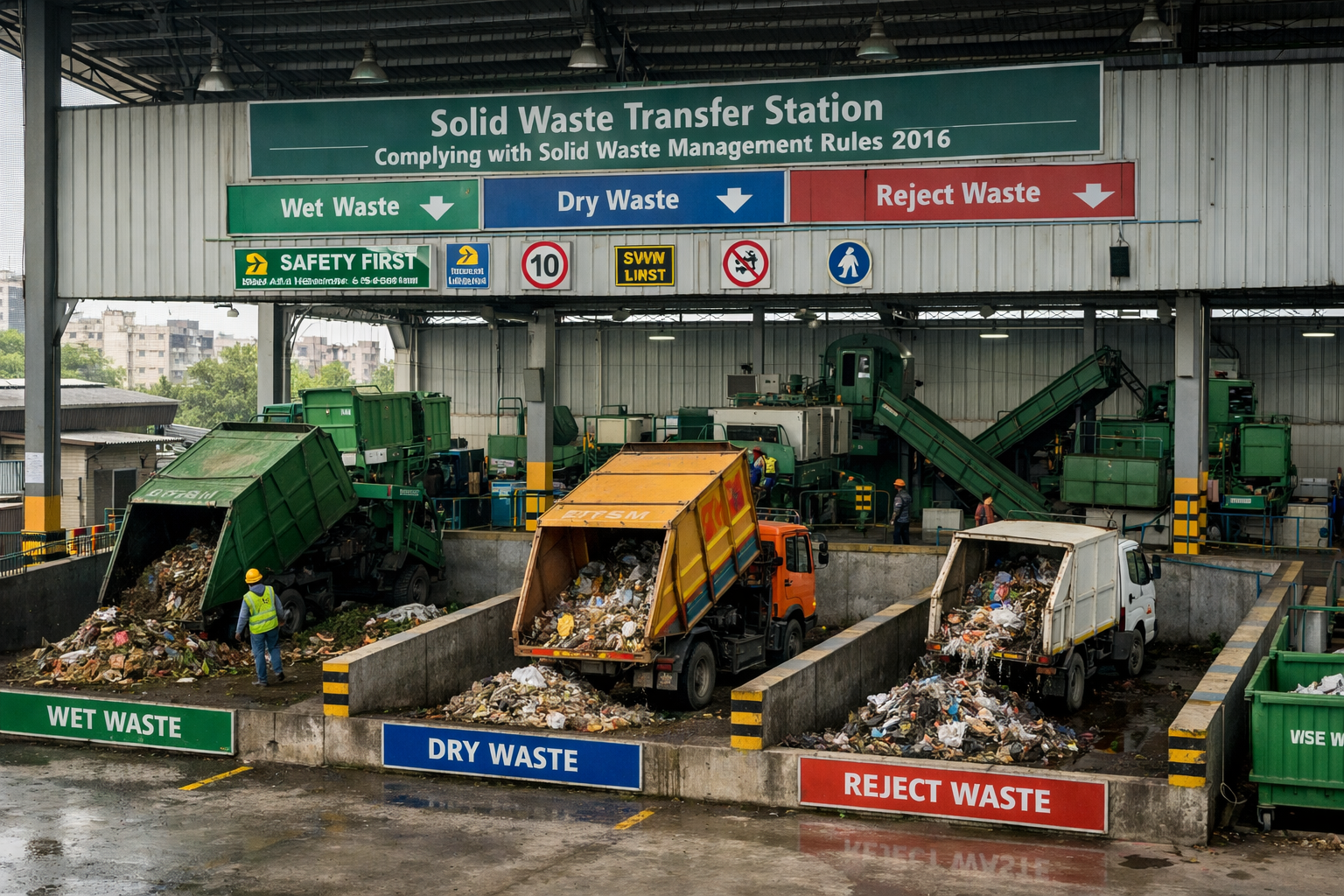
Effective solid waste management represents a vital public service within Indian urban and semi-urban environments, particularly in the context of escalating waste generation and constrained urban infrastructure. Niletech Infrabuild Pvt. Ltd. focuses on solid waste management operations commencing from the Waste Transfer Station (WTS) stage and extending through downstream processing, treatment, and final disposal, thereby ensuring regulatory compliance and operational efficiency.

At the transfer station level, segregated municipal solid waste received from primary collection agencies is systematically handled, consolidated, and managed to facilitate efficient onward transportation. Emphasis is placed on maintaining segregation integrity across biodegradable, recyclable, and inert fractions, in accordance with the Solid Waste Management Rules, 2016, while preventing secondary pollution, odour emissions, and vector proliferation within the transfer facility.

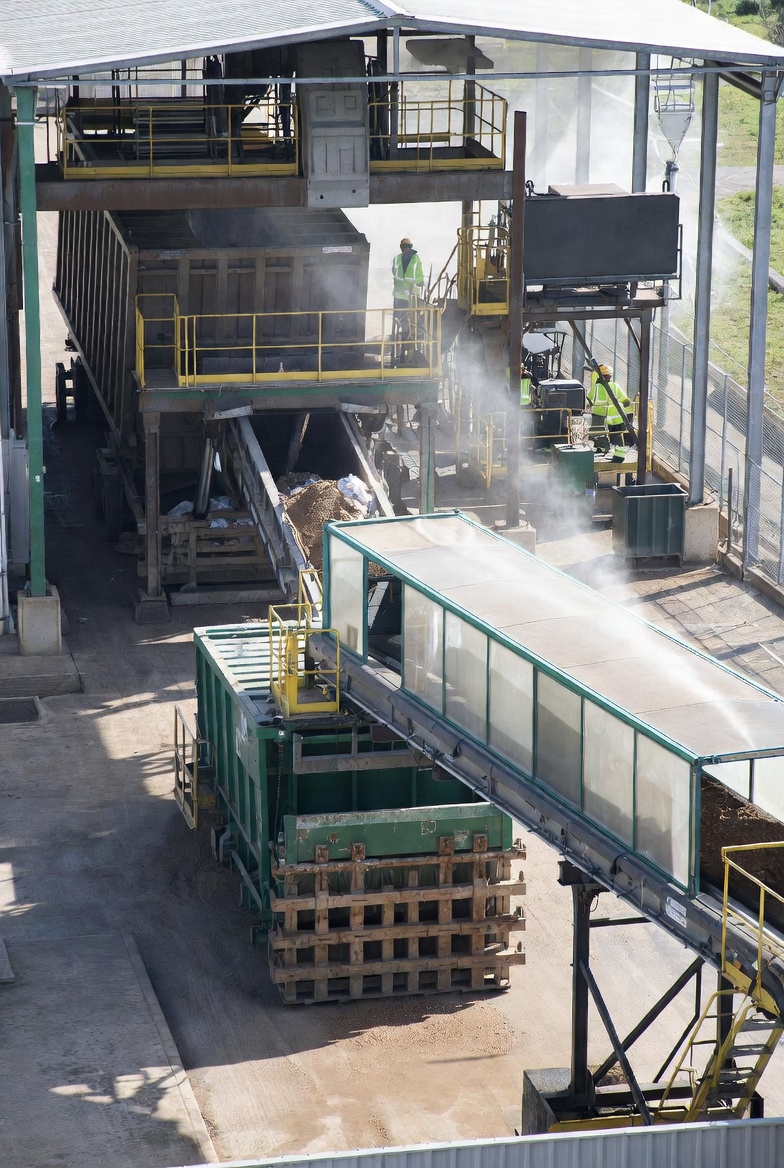
Subsequently, waste is transferred through scheduled, route-optimised, and environmentally controlled transportation systems to authorised processing, recovery, or disposal facilities. The integration of mechanised handling, covered transport systems, and real-time monitoring tools enhances operational transparency, minimises environmental risks, and ensures traceability across the waste management chain. Through this focused intervention from waste transfer stations onwards, Niletech delivers reliable, compliant, and sustainable solid waste management solutions aligned with urban environmental governance objectives.

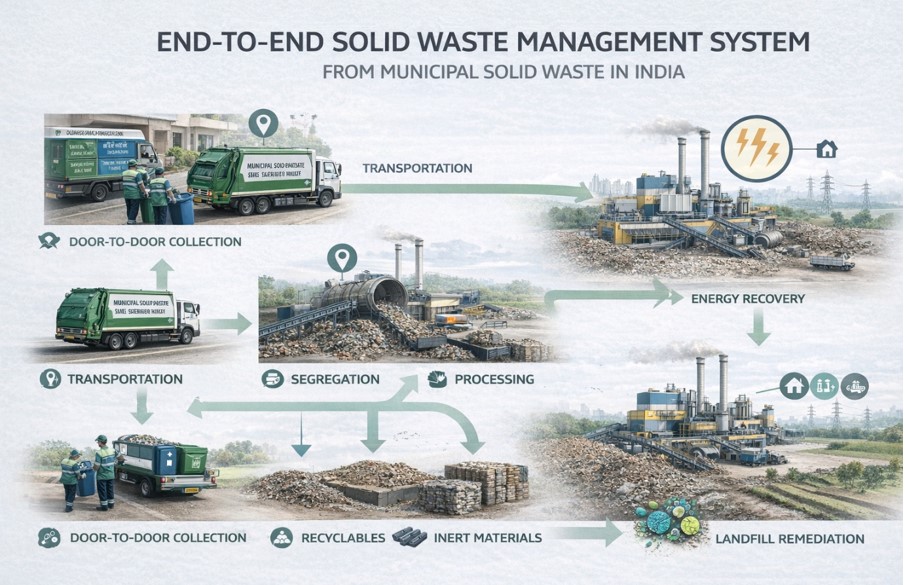
Collection
Transportation
Processing
Odour Control Solutions

Odour Control Solutions

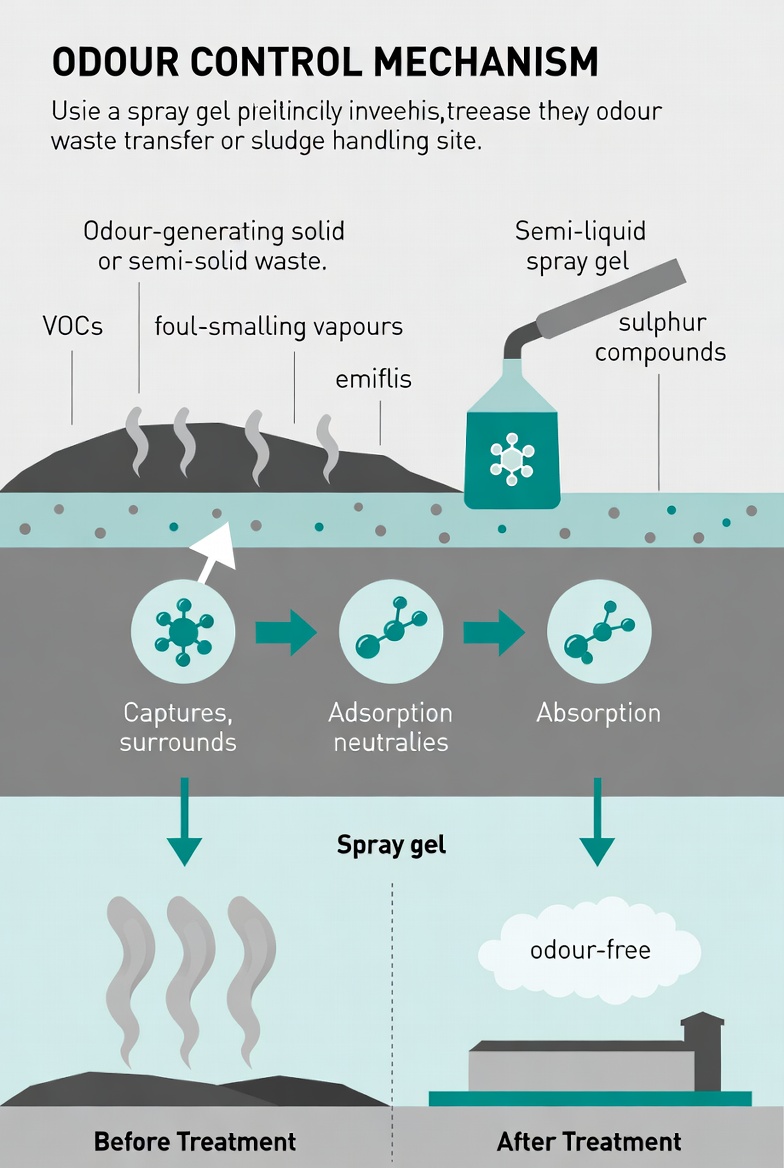
Niletech provides effective odour control solutions for waste transfer stations, sludge handling areas, and allied wastewater infrastructure using advanced surface-applied odour neutralisation technology. The adopted approach focuses on eliminating malodorous emissions at the source rather than masking them, thereby ensuring sustained and measurable odour reduction.

The odour control system employs a semi-liquid spray gel formulation that forms a functional barrier over odour-generating solid and semi-solid materials. Upon application, the active components interact with volatile organic compounds and other odour-causing molecules through adsorption and encapsulation mechanisms, resulting in rapid neutralisation and suppression of further odour release.

This solution is suitable for waste transfer operations, wastewater sludge management, landfill working faces, and contaminated material handling areas. The formulation is biodegradable, site-friendly, and designed for direct application using standard spraying equipment, supporting safe operations and improved ambient conditions at waste management facilities.

Advanced Technologies for Large-Scale Dump Site Management

Legacy dump sites and large-scale open dumping areas represent a significant environmental liability across India. Therefore, our approach integrates emerging and proven technologies for scientific remediation and treatment.

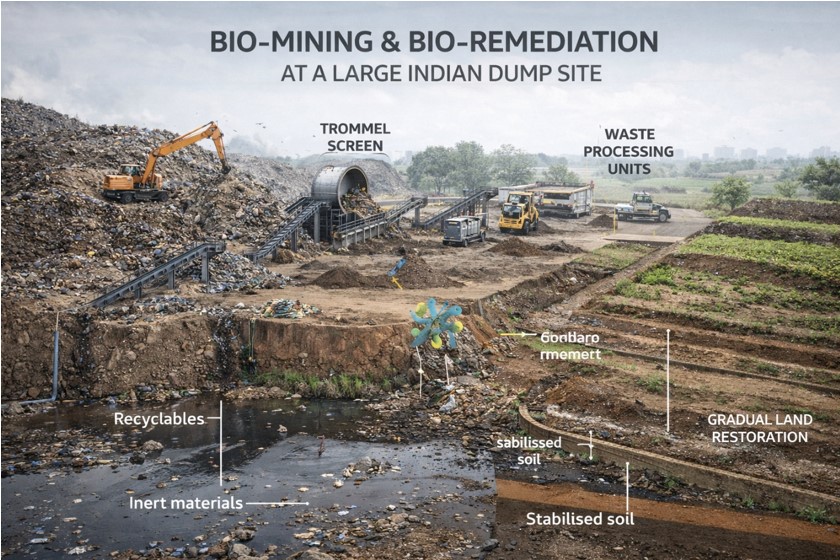
Firstly, bio-mining and bio-remediation techniques are employed to stabilise and recover aged waste through controlled biological processes. Indigenous microbial consortia accelerate organic matter degradation, reduce odour, and lower leachate toxicity, thereby enabling gradual land reclamation.

Dump Site Management Technology
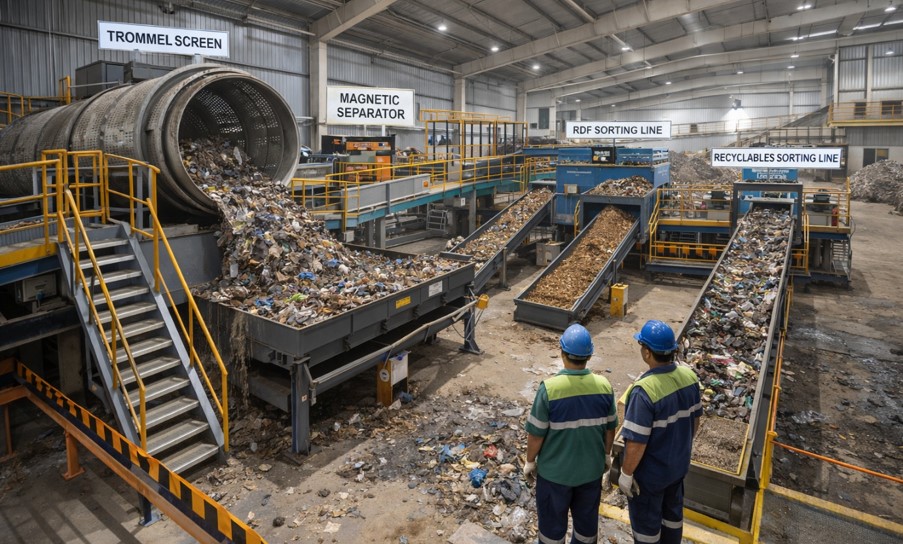
Mechanised Waste Processing Systems

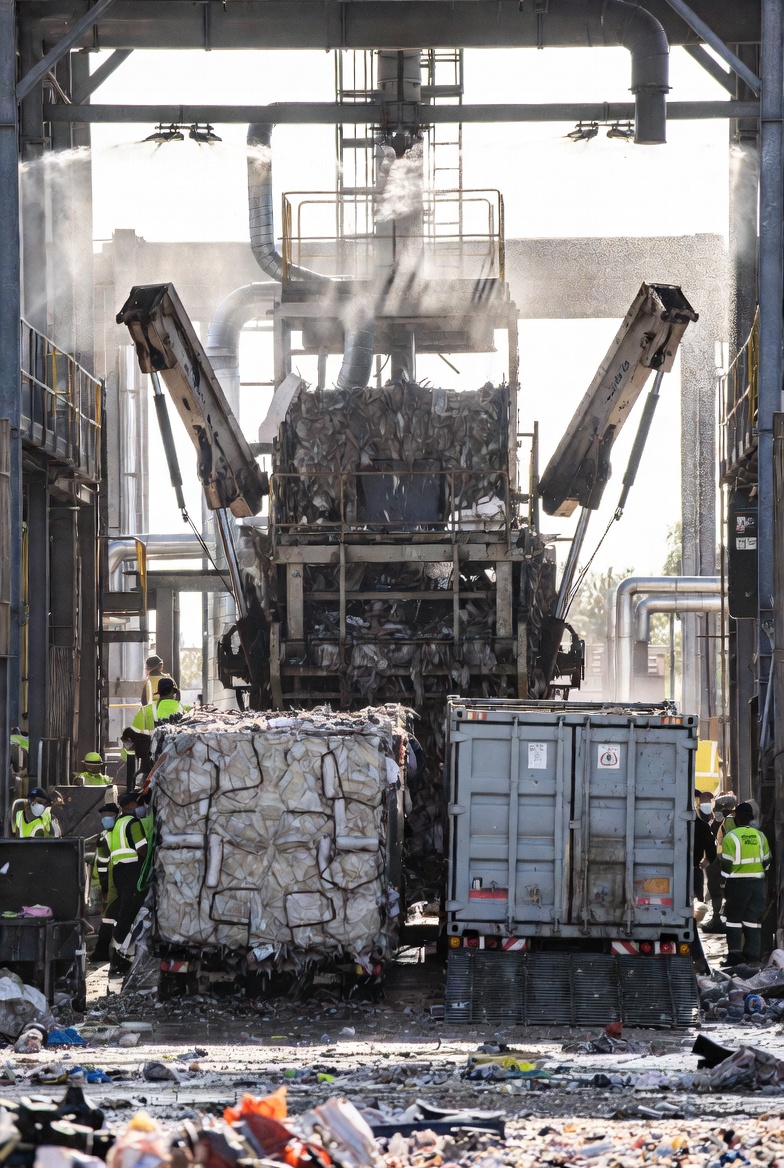
Mechanised Waste Processing Systems play a crucial role in large-scale dump site remediation. Secondly, mechanised waste processing systems, including trommel screens, ballistic separators, and magnetic recovery units, facilitate the segregation of recyclables and combustibles from legacy waste. Recovered materials may be channelled towards recycling streams or refuse-derived fuel (RDF) production, thereby reducing landfill dependency.

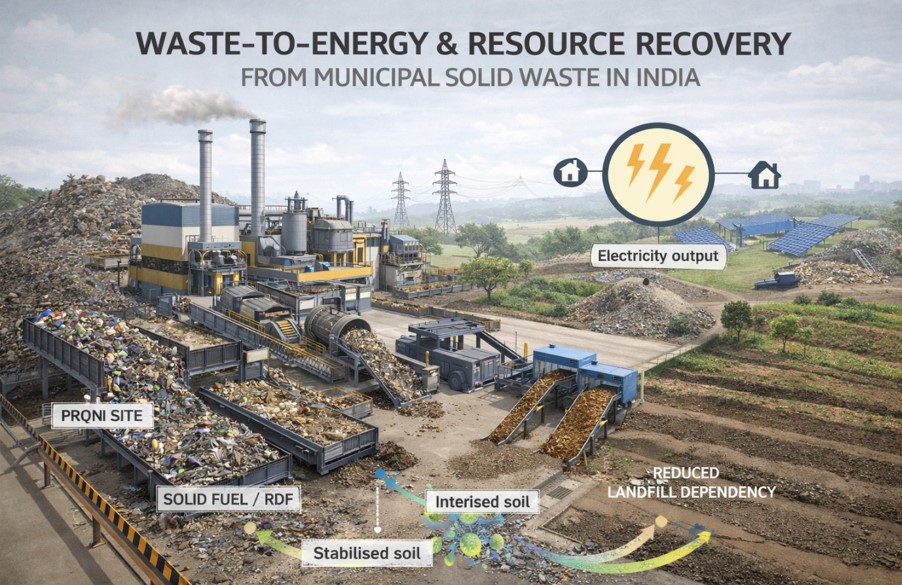
Waste-to-Energy (WtE) and Co-Processing Technologies may be adopted for high-calorific fractions, subject to site-specific feasibility and regulatory approval. Additionally, waste-to-energy (WtE) and co-processing technologies contribute to effective resource recovery while simultaneously addressing volume reduction challenges.

Waste to Energy and Co-processing Technologies
Digital Waste Intelligence Platforms

Digital Waste Intelligence Platforms, integrating remote sensing, drone-based dump profiling, and GIS mapping, enable accurate quantification of waste volumes, settlement patterns, and environmental risk zones. As a result, remediation strategies become data-driven, phased, and outcome-oriented.

Integrated and Sustainable Outcomes
Through systematic door-to-door collection, efficient transportation, and the deployment of advanced dump-site treatment technologies, our solid waste management framework supports cleaner cities, improved public health, and circular economy principles. Accordingly, municipalities and urban local bodies are empowered to transition from unsustainable dumping practices towards scientifically managed, resource-efficient, and environmentally responsible waste systems.

Understanding Water Pollution

Sources and Effects of Water Pollution in India

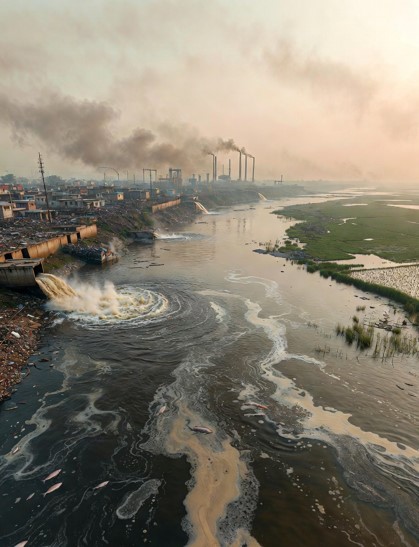
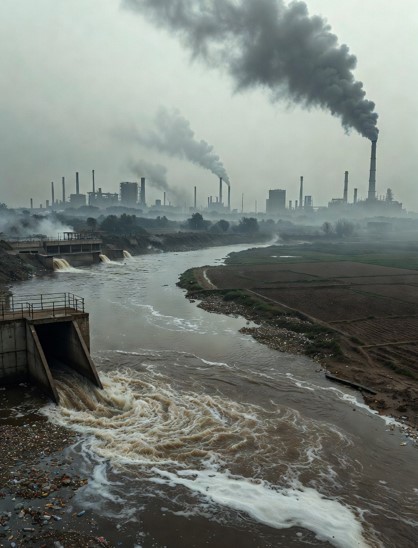
Water pollution remains one of India’s most critical environmental and public health challenges, directly affecting rivers, lakes, groundwater, and coastal ecosystems. Rapid urban expansion, industrial growth, and inadequate wastewater management infrastructure have collectively reduced the natural assimilative capacity of surface and subsurface water bodies. Consequently, pollution loads increasingly exceed ecological thresholds, resulting in long-term environmental degradation.

Niletech, with extensive field-level experience in water quality management and in-situ treatment systems, approaches water pollution as a systemic issue requiring source-level understanding, decentralised interventions, and technology-supported remediation.

Water Pollution Overview

Major Sources of Water Pollution in India

Sources of Water Pollution

Municipal wastewater constitutes the largest contributor to water pollution across Indian cities and towns. A substantial proportion of sewage generated daily remains untreated or partially treated, entering rivers, lakes, and drains with high organic load, pathogens, and nutrients.

Industrial effluents represent another significant pollution source, particularly in industrial clusters and peri-urban zones. Discharges containing organic contaminants, nutrients, heavy metals, oils, and chemical residues often reach water bodies through drains or groundwater infiltration, intensifying ecological and health risks.

Agricultural runoff further exacerbates pollution through nutrient enrichment. Excessive application of fertilisers and pesticides introduces nitrates, phosphates, and toxic residues into nearby water bodies, accelerating eutrophication and algal proliferation.

Additionally, legacy pollution from unscientific solid waste dumping, open defecation in vulnerable areas, and encroachment of natural drainage channels contributes to sediment contamination, leachate generation, and reduced hydraulic flow.

Effects of Water Pollution on Ecosystems and Society

The most immediate consequence of water pollution is the deterioration of water quality, characterised by elevated biochemical oxygen demand, reduced dissolved oxygen, and high microbial contamination. These conditions impair aquatic life, trigger fish mortality events, and disrupt natural food chains.

From a public health perspective, polluted water bodies act as reservoirs for waterborne pathogens, increasing the incidence of gastrointestinal diseases, skin infections, and vector-borne illnesses.

Moreover, water pollution undermines socio-economic stability by reducing the usability of water for irrigation, fisheries, recreation, and cultural practices.

Effects on Ecosystem

Emerging Technologies for Pollution Control and Restoration

Technology for Water Restoration

Niletech integrates decentralised, adaptive, and low-footprint technologies within a scientifically grounded framework. Bioremediation-based in-situ treatment enhances enzymatic degradation, restores dissolved oxygen, and reduces odour without major civil works.

Advanced aeration systems, including fine-bubble and nano-bubble technologies, significantly improve oxygen transfer efficiency. Digital monitoring platforms, GIS mapping, and drone-assisted surveillance enable real-time tracking and targeted interventions.

Niletech’s Integrated Perspective

Niletech’s work in water pollution management is grounded in operational experience, regulatory alignment, and scientific accountability. By combining biological treatment, smart monitoring, and field-tested engineering solutions, Niletech supports urban local bodies and river authorities in achieving sustained water body restoration.

Integrated Water Management

Sustainable Planning for Efficient Use and Conservation of Resources

Environmental Consultancy Services

Environmental Consultancy Services

Sustainable planning in India increasingly requires a scientific balance between infrastructure development, environmental protection, and long-term resource security. Escalating pressures on water, land, and energy resources, combined with regulatory obligations, have necessitated integrated planning frameworks that move beyond conventional compliance-driven approaches. In this context, Niletech provides specialised environmental consultancy services that support informed decision-making, efficient resource utilisation, and measurable environmental performance.

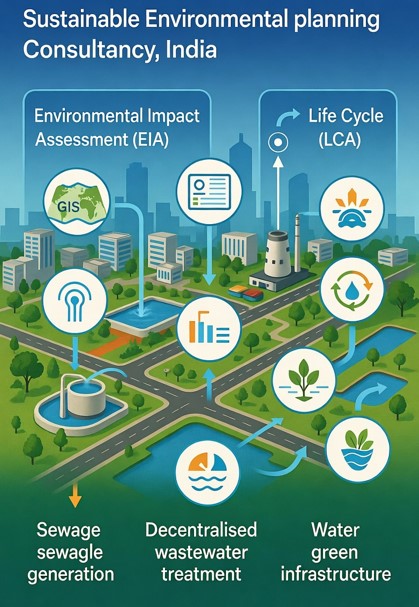
Niletech’s consultancy framework systematically integrates Environmental Impact Assessment (EIA) and Life Cycle Assessment (LCA) to evaluate projects from both regulatory and sustainability perspectives. EIA-based assessments identify potential impacts on air, water, land, and ecological systems at the planning stage, thereby enabling impact avoidance, mitigation, and adaptive design. In parallel, LCA evaluates resource consumption, emissions, and environmental burdens across the entire project life cycle, from construction and operation to end-of-life considerations. Consequently, infrastructure and urban development projects are optimised not only for regulatory clearance but also for long-term environmental efficiency and cost effectiveness.

A critical component of sustainable planning in the Indian scenario involves addressing sewage generation and treatment, particularly in rapidly urbanising and peri-urban regions where centralised infrastructure remains inadequate. Niletech develops decentralised and hybrid wastewater management strategies that align with projected population growth, seasonal variability, and site-specific constraints. These strategies emphasise source-level wastewater minimisation, decentralised sewage treatment systems, reuse-oriented treatment design, and integration with natural systems such as constructed wetlands. Therefore, treated wastewater becomes a recoverable resource for non-potable reuse, including landscaping, flushing, and groundwater recharge, thereby reducing freshwater demand.

Advanced planning tools and digital technologies further strengthen Niletech’s consultancy offerings. GIS-based spatial analysis, predictive hydraulic modelling, and real-time environmental monitoring enable data-driven planning and performance evaluation. Moreover, nature-based solutions and low-energy biological treatment processes are incorporated to ensure resilience under variable loading conditions and climatic stress.

Through the integration of EIA, LCA, and decentralised sewage management within a unified planning framework, Niletech enables clients to adopt sustainable, regulation-compliant, and future-ready infrastructure solutions. Accordingly, environmental consultancy evolves from a statutory requirement into a strategic mechanism for conserving resources, reducing environmental impact, and supporting India’s long-term sustainability objectives.